Werkstatt
Keine Artikel gefunden.
Oct 7, 2025
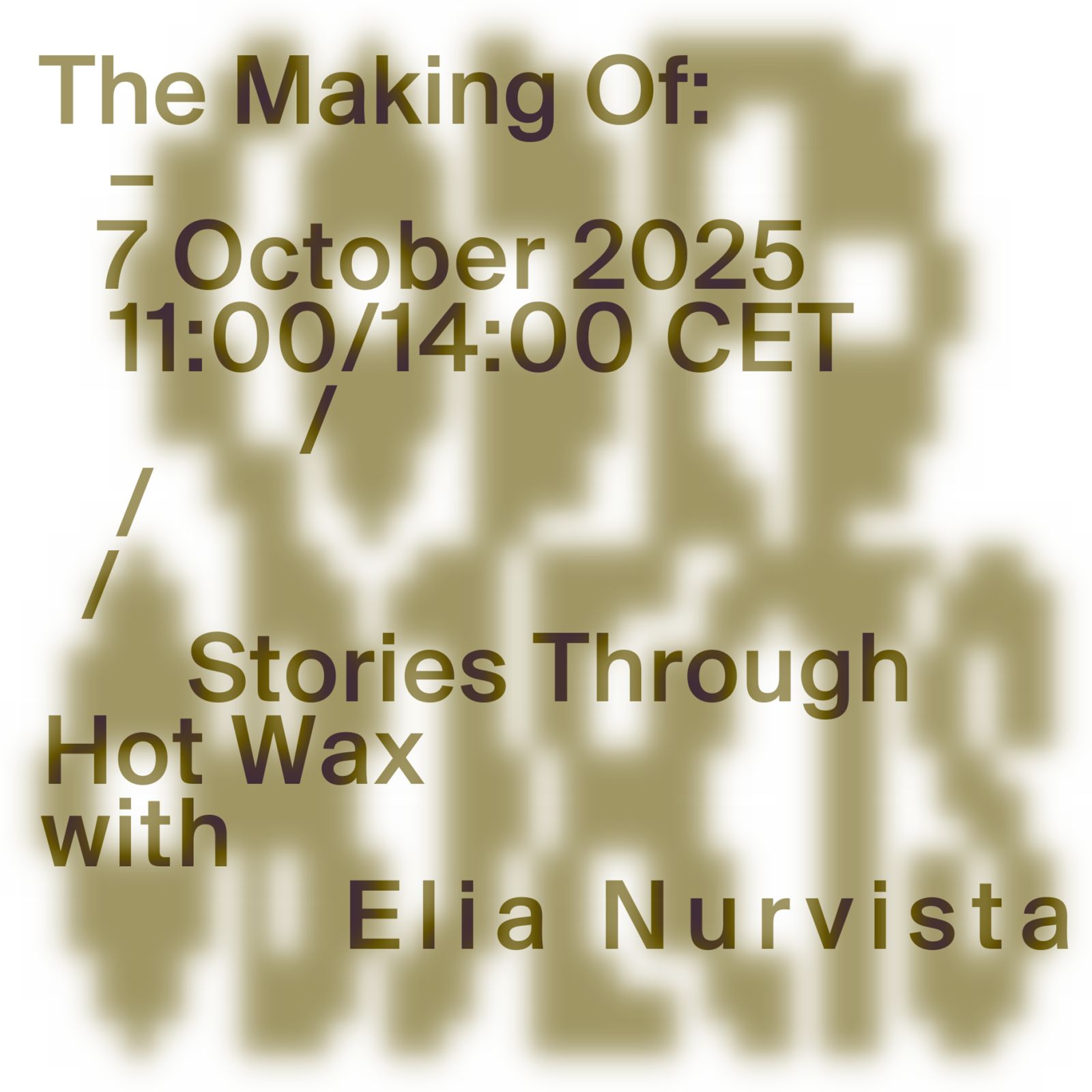
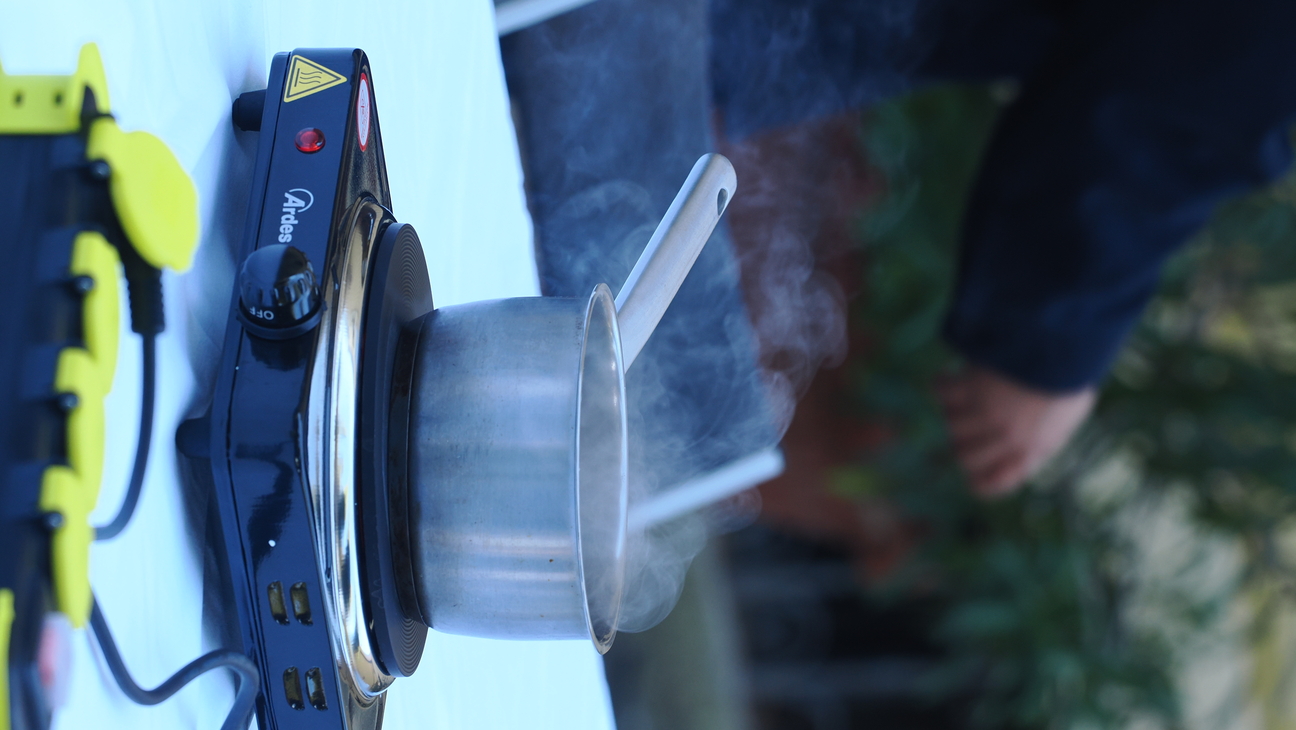
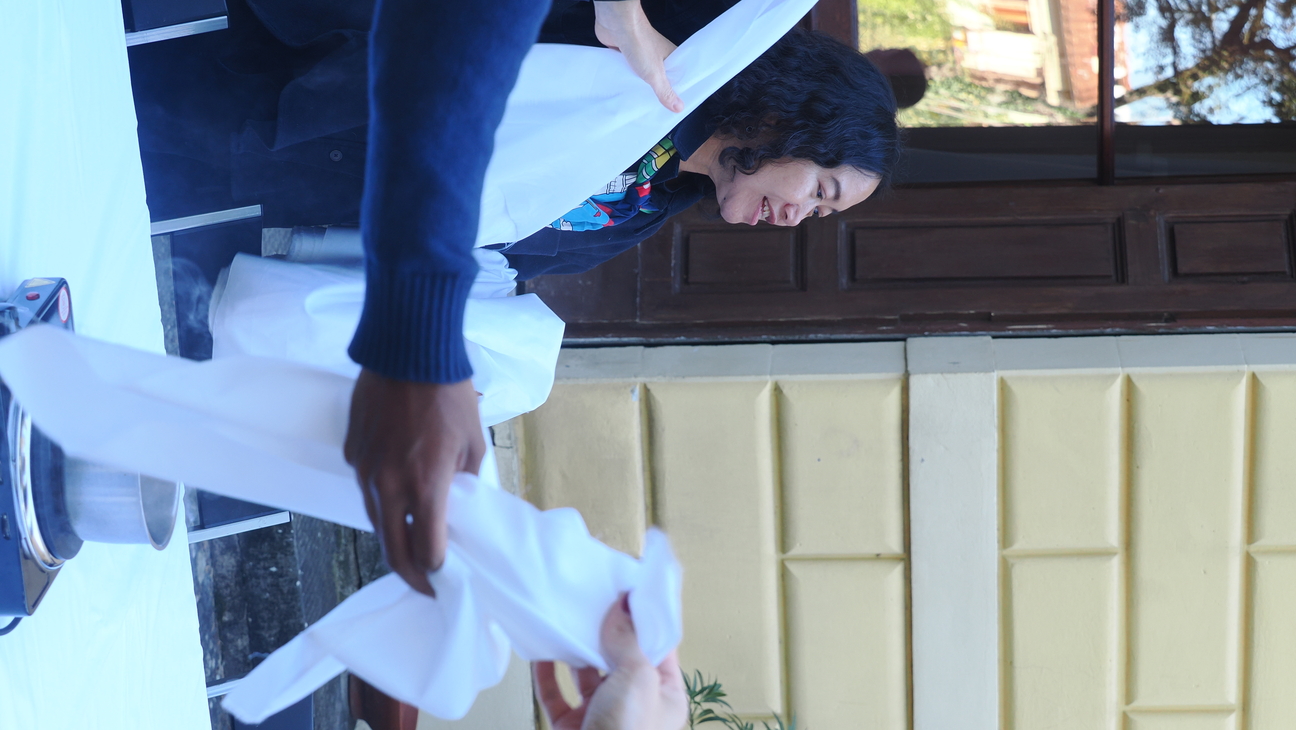
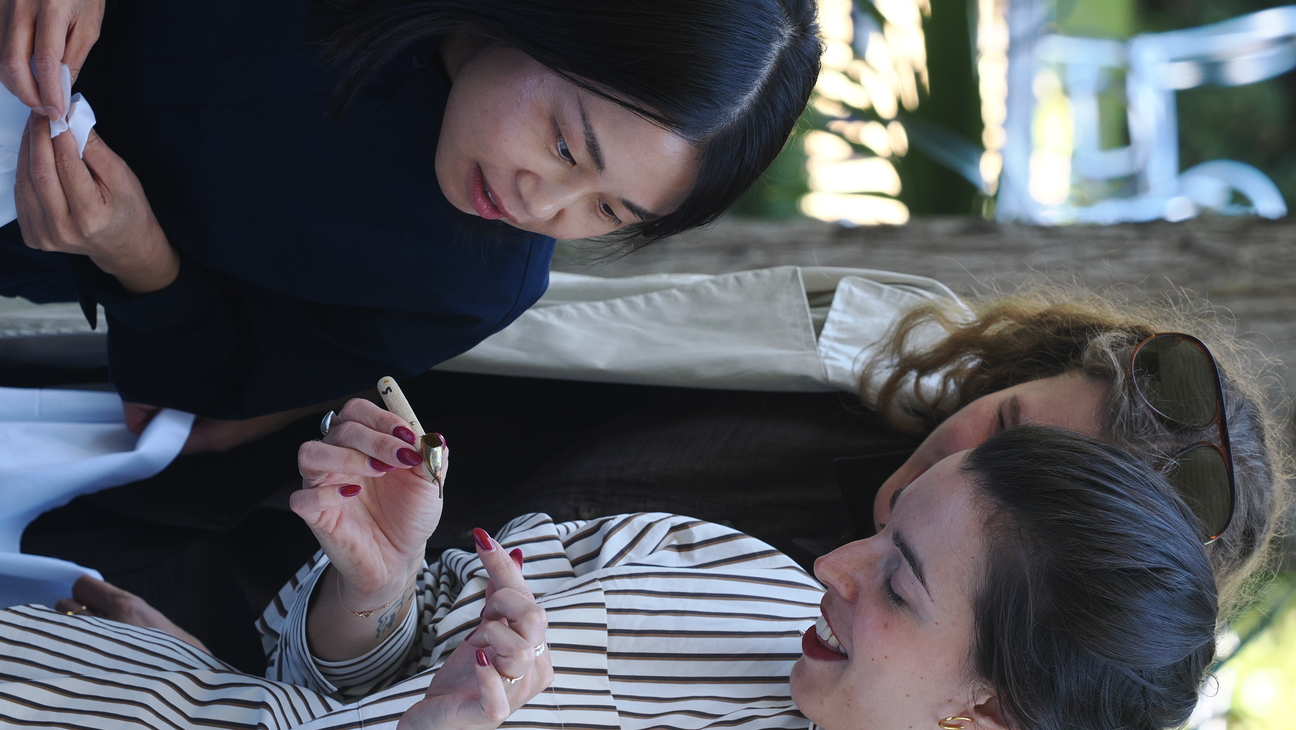
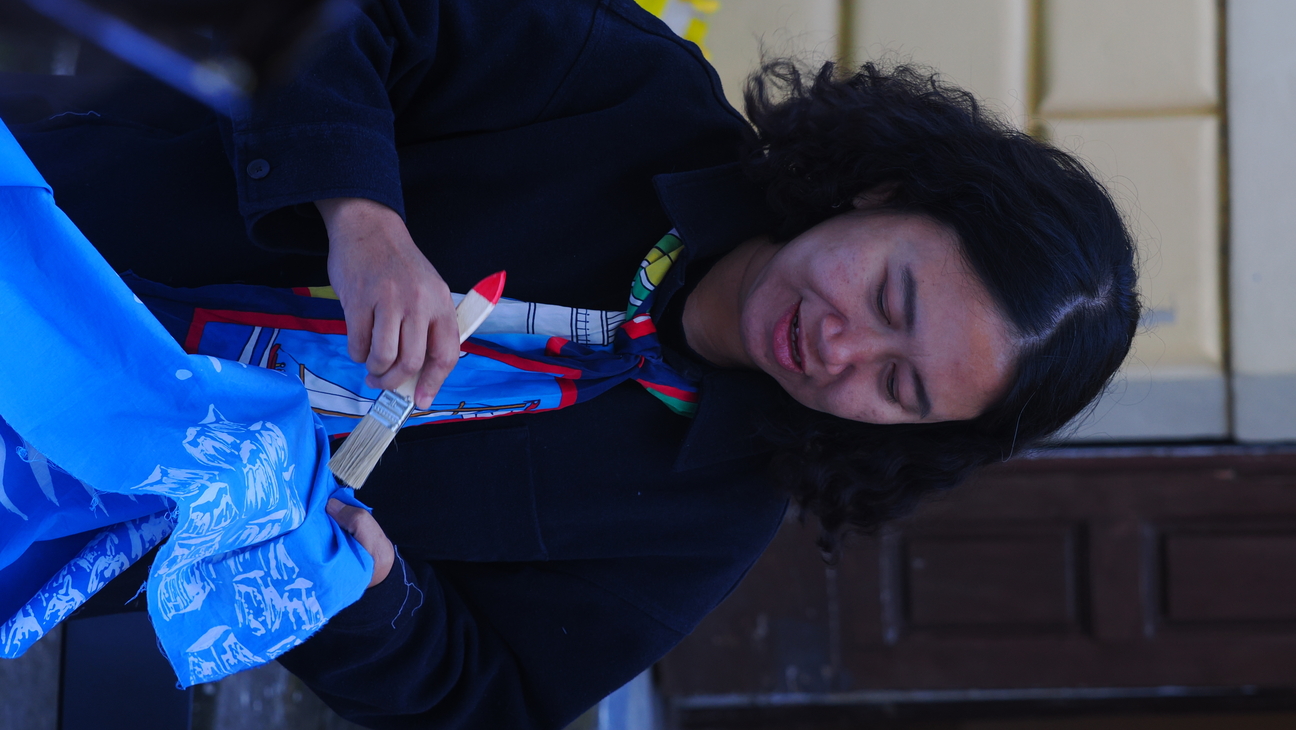
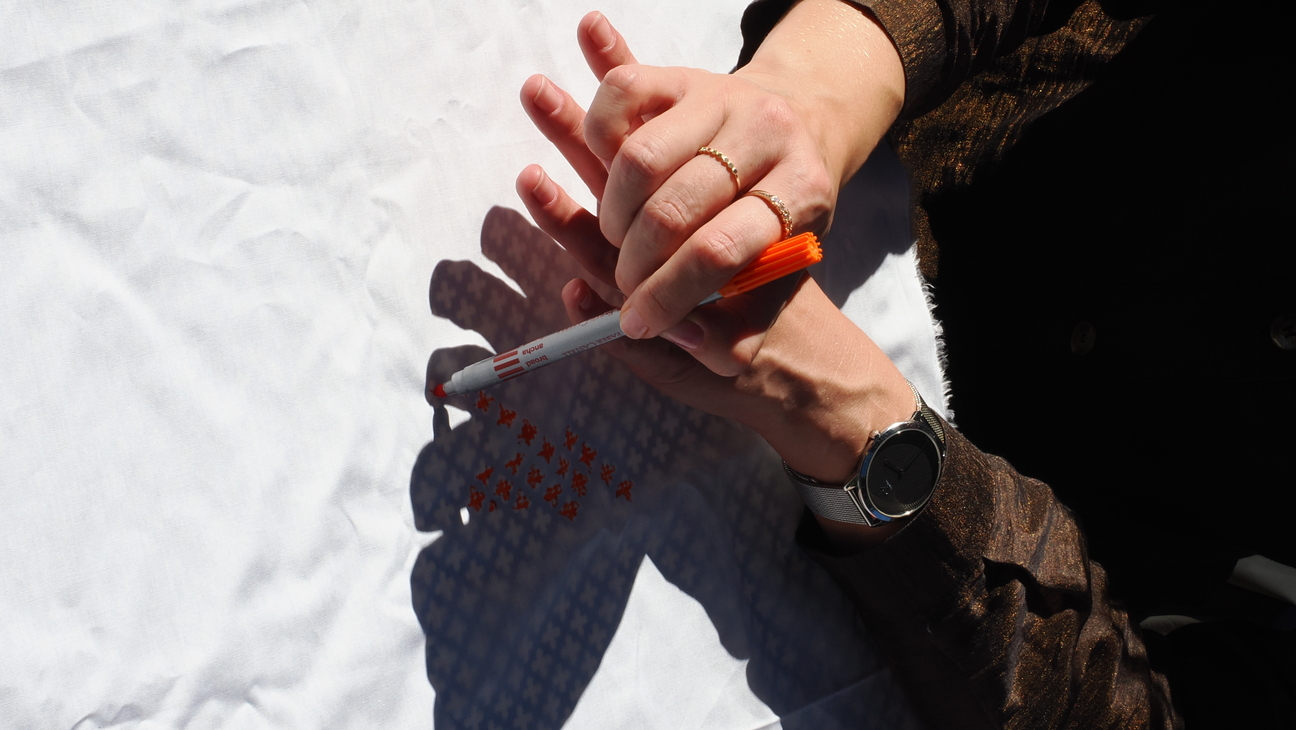
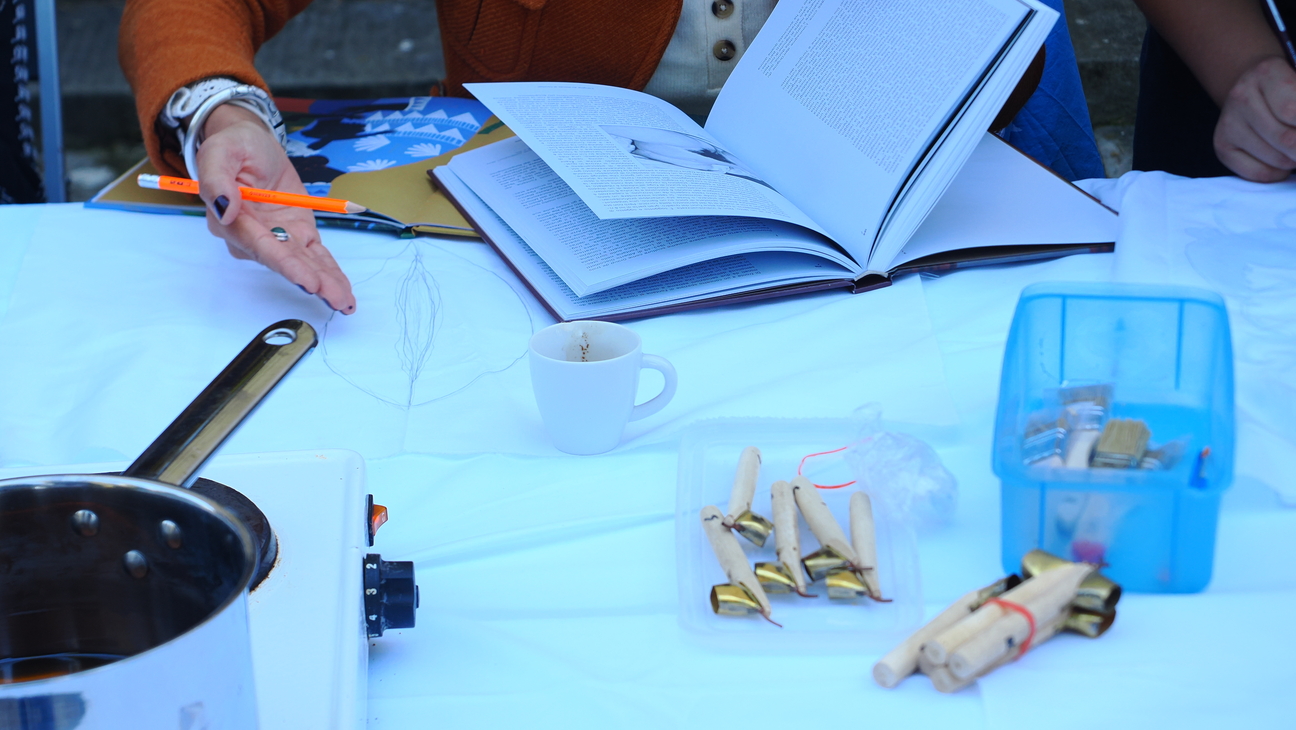
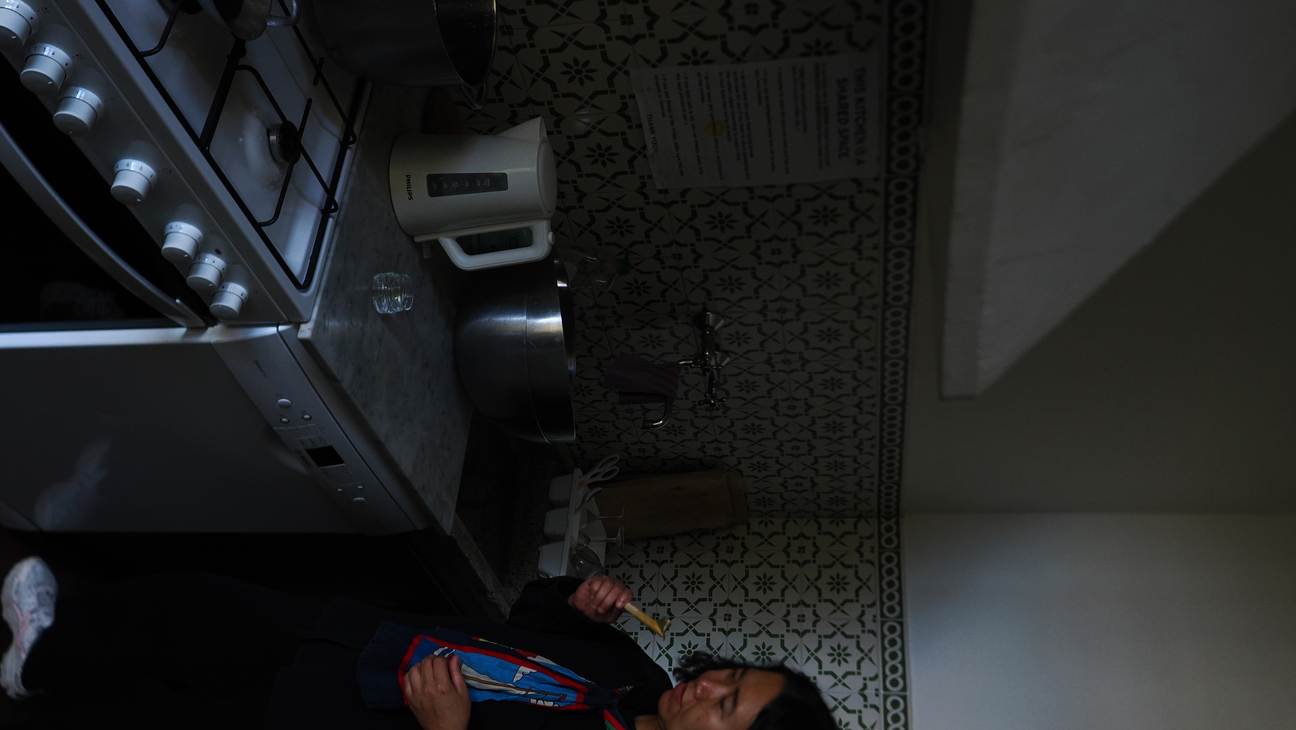
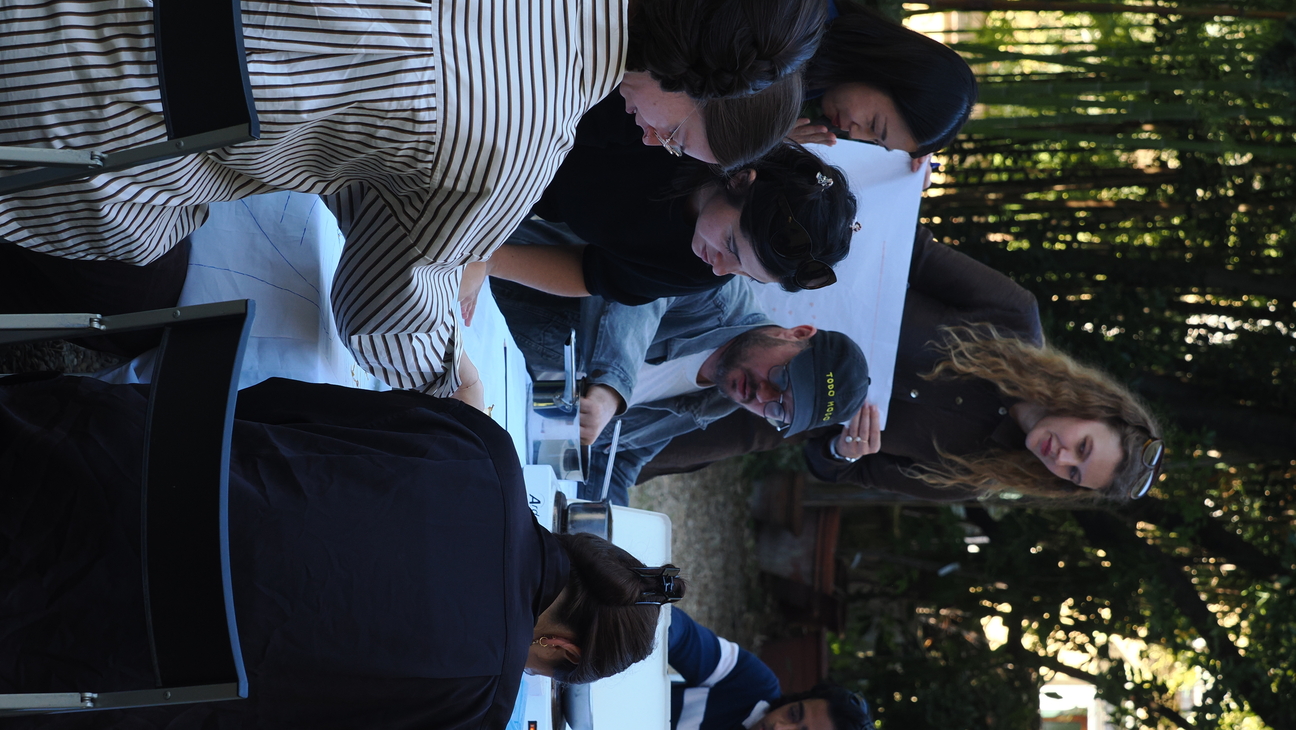
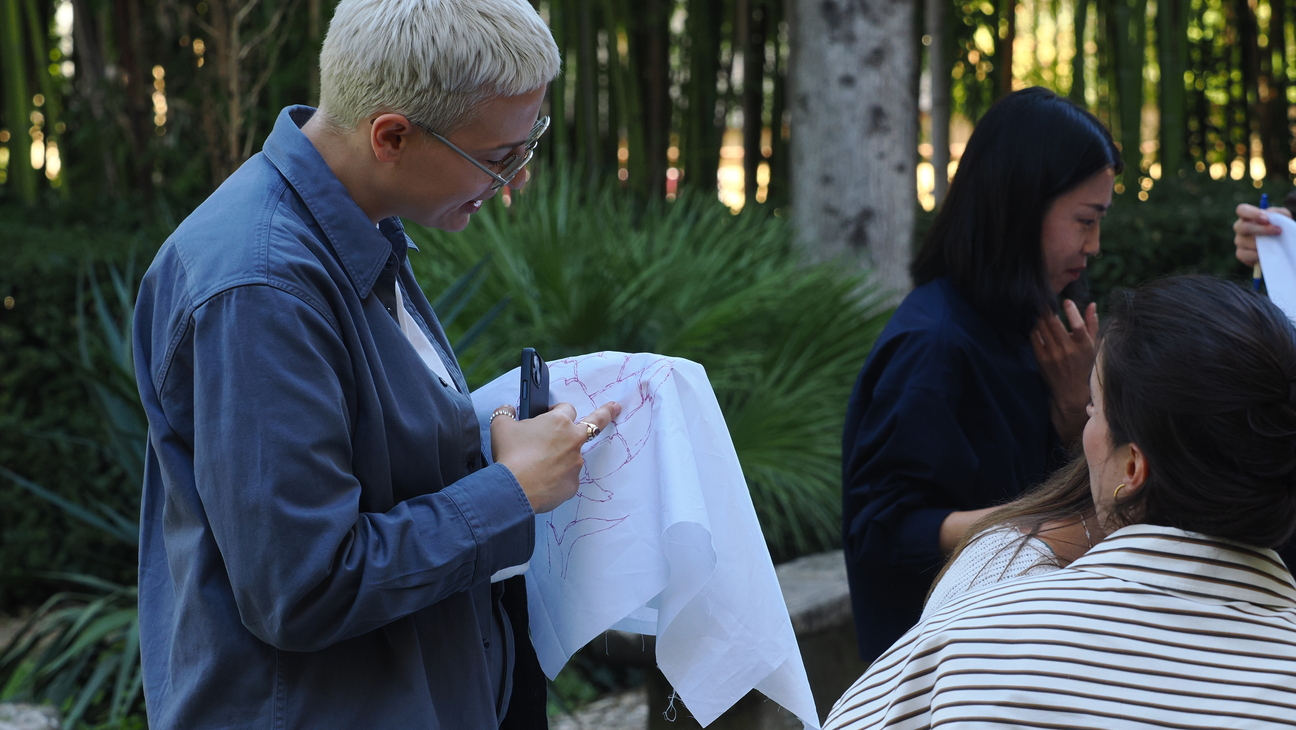
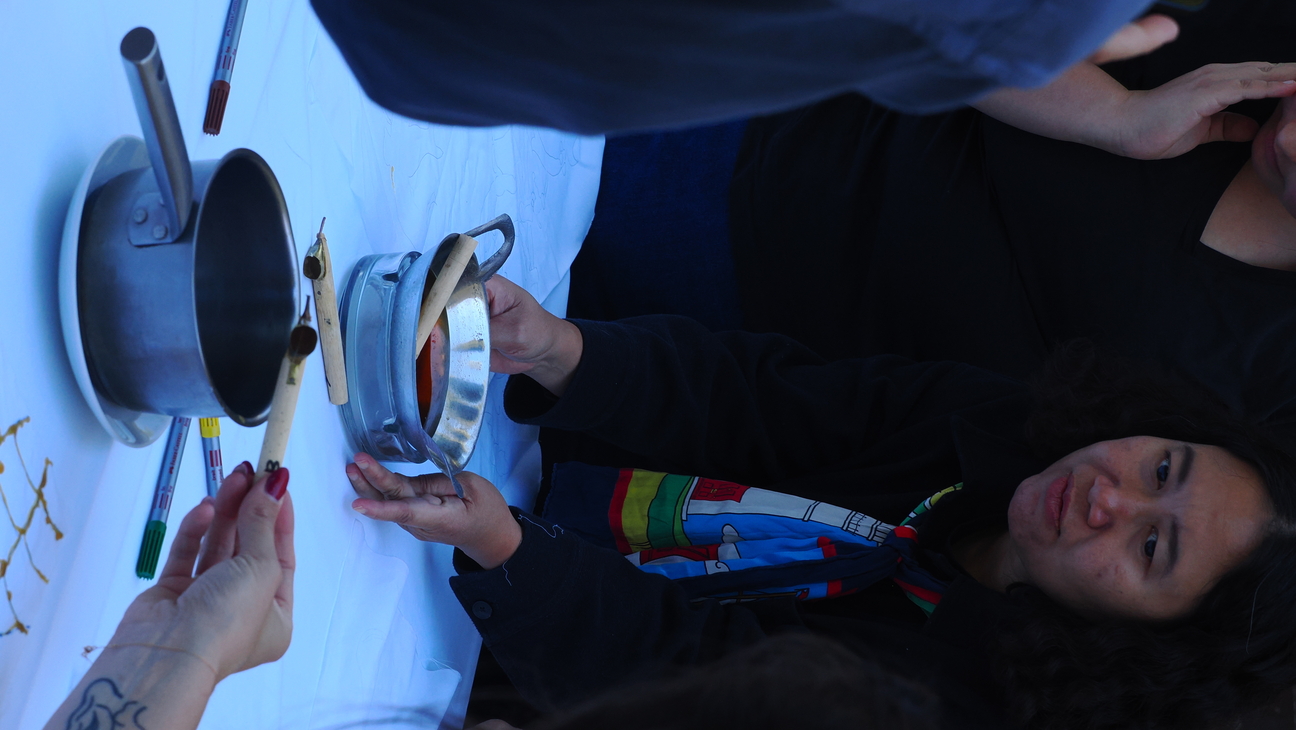
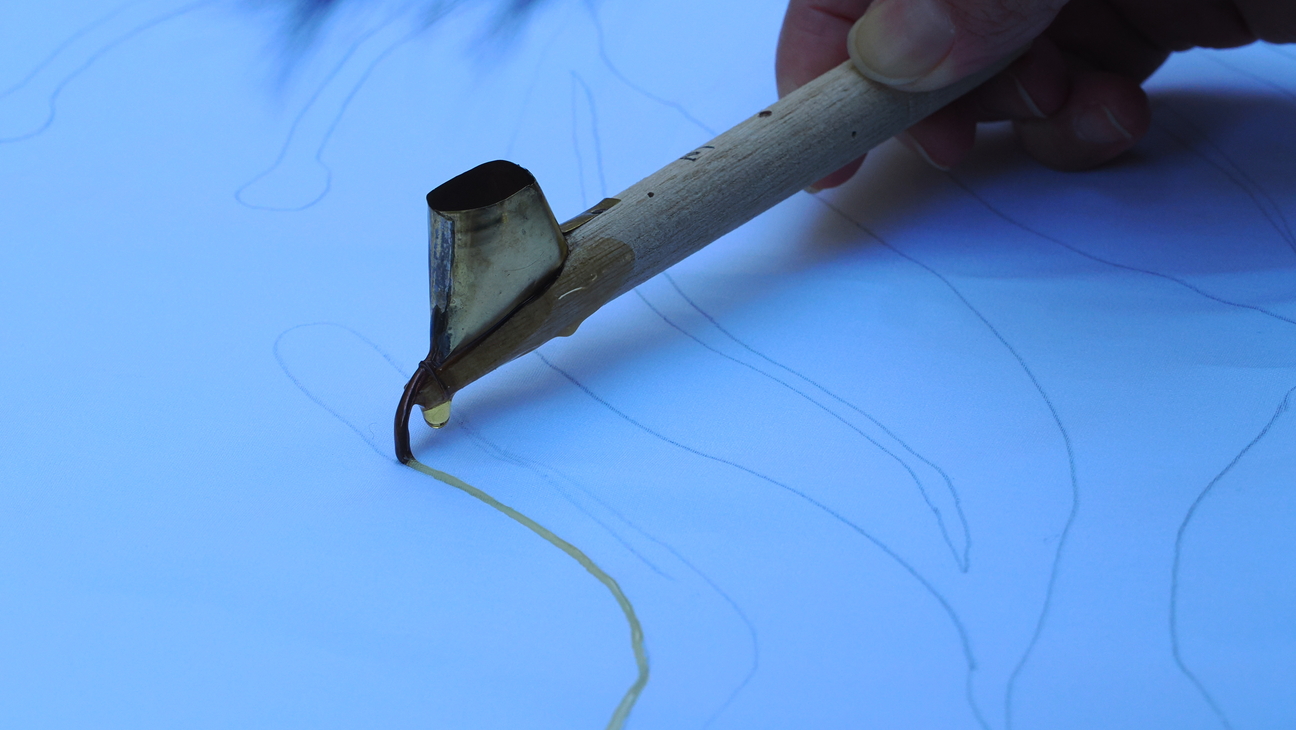
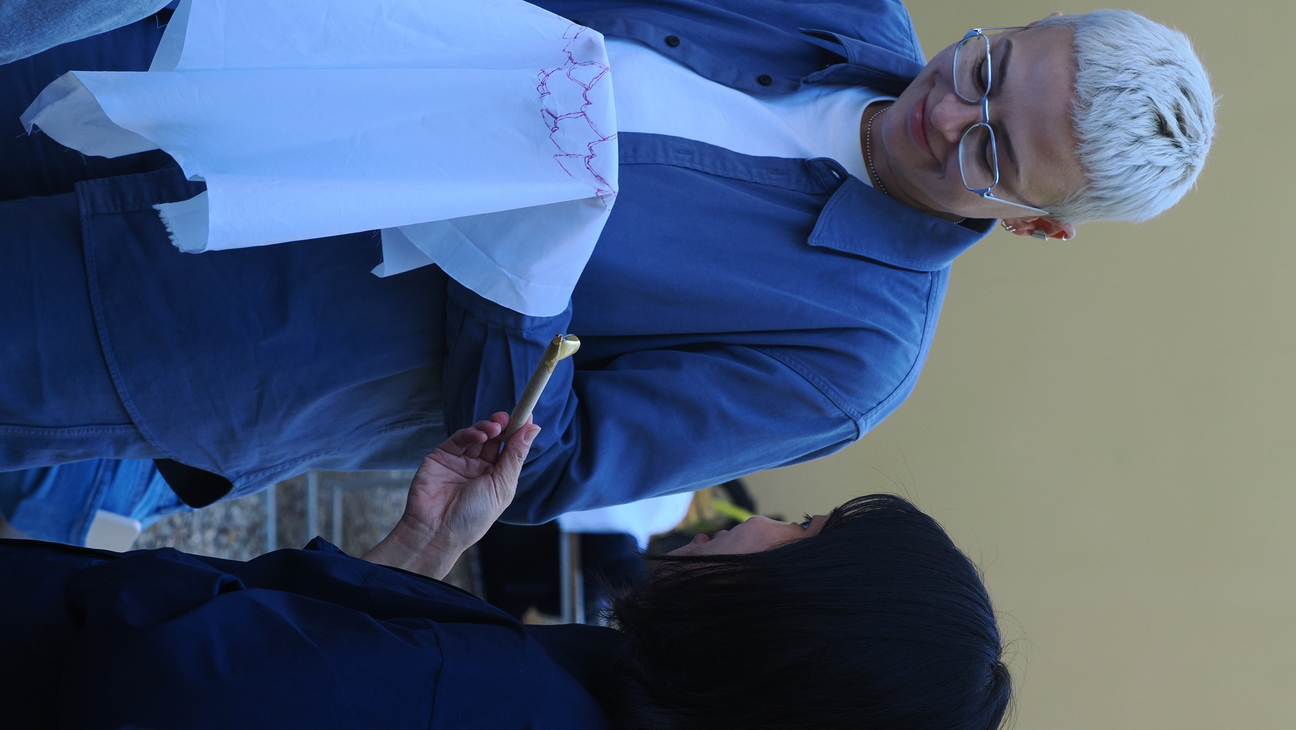
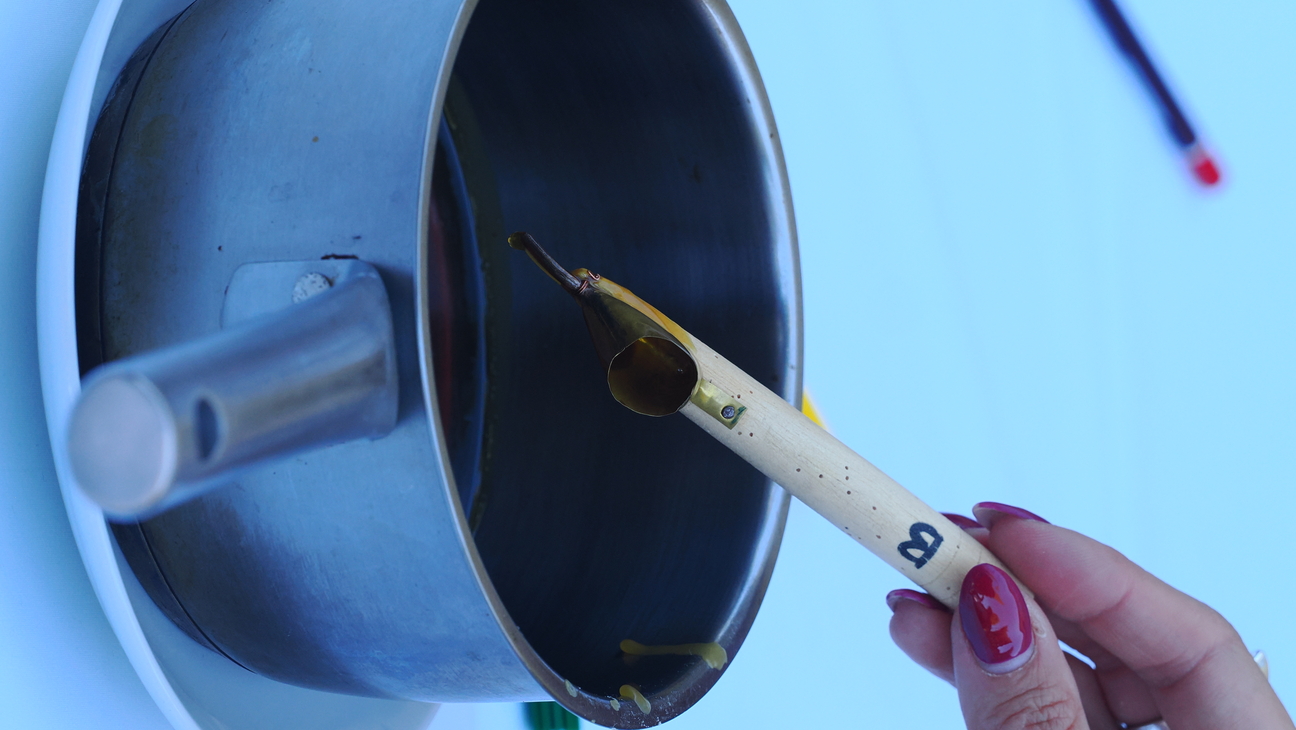
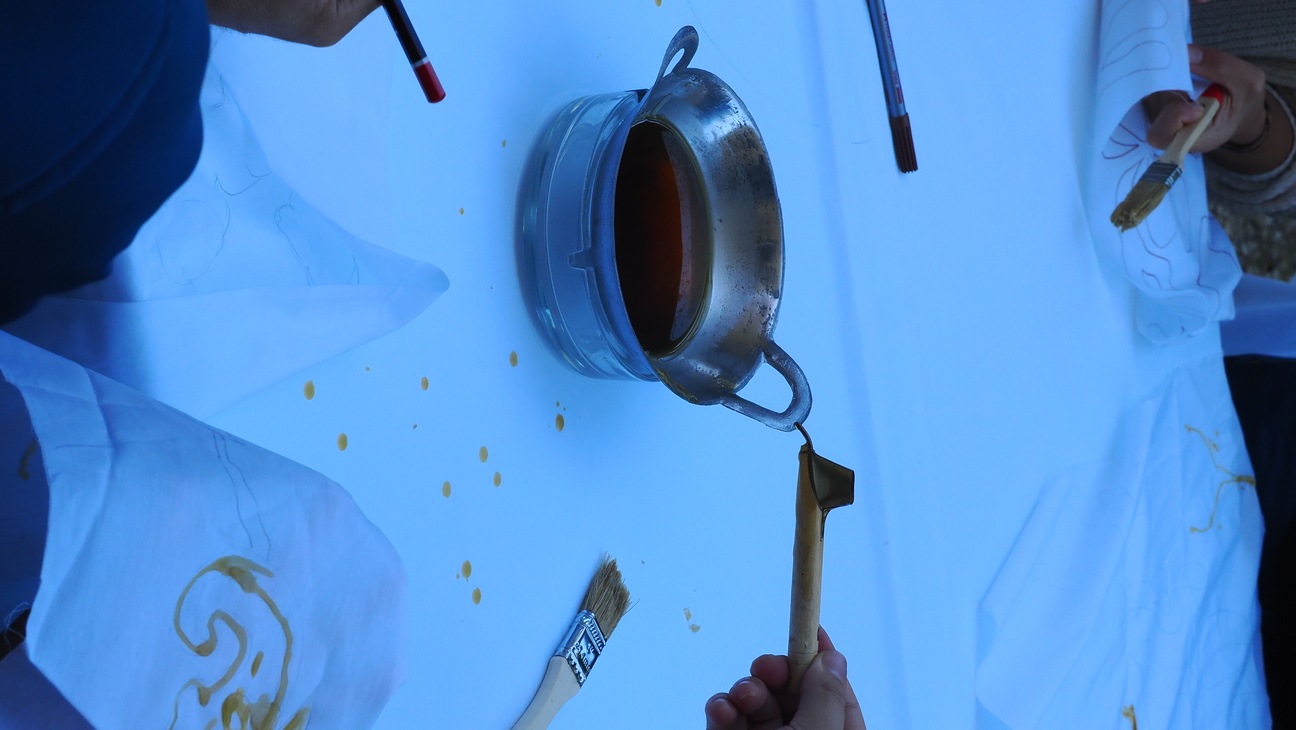
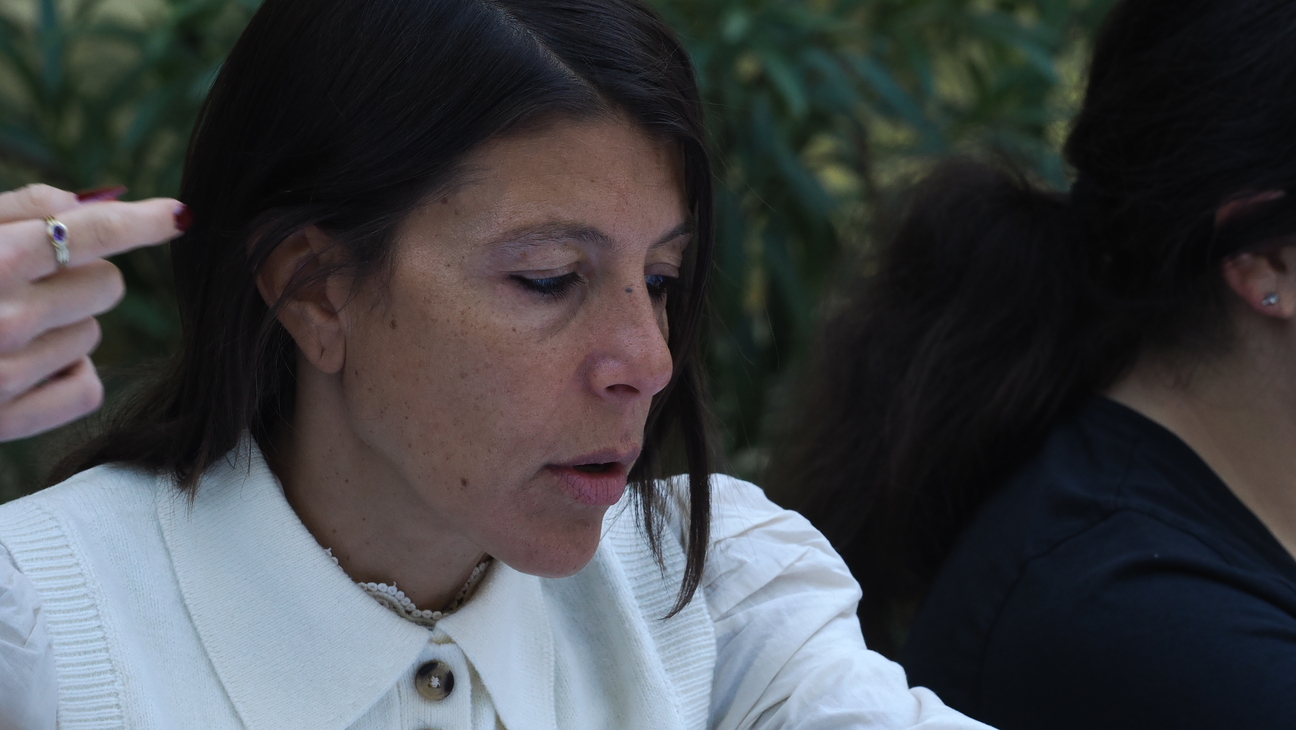
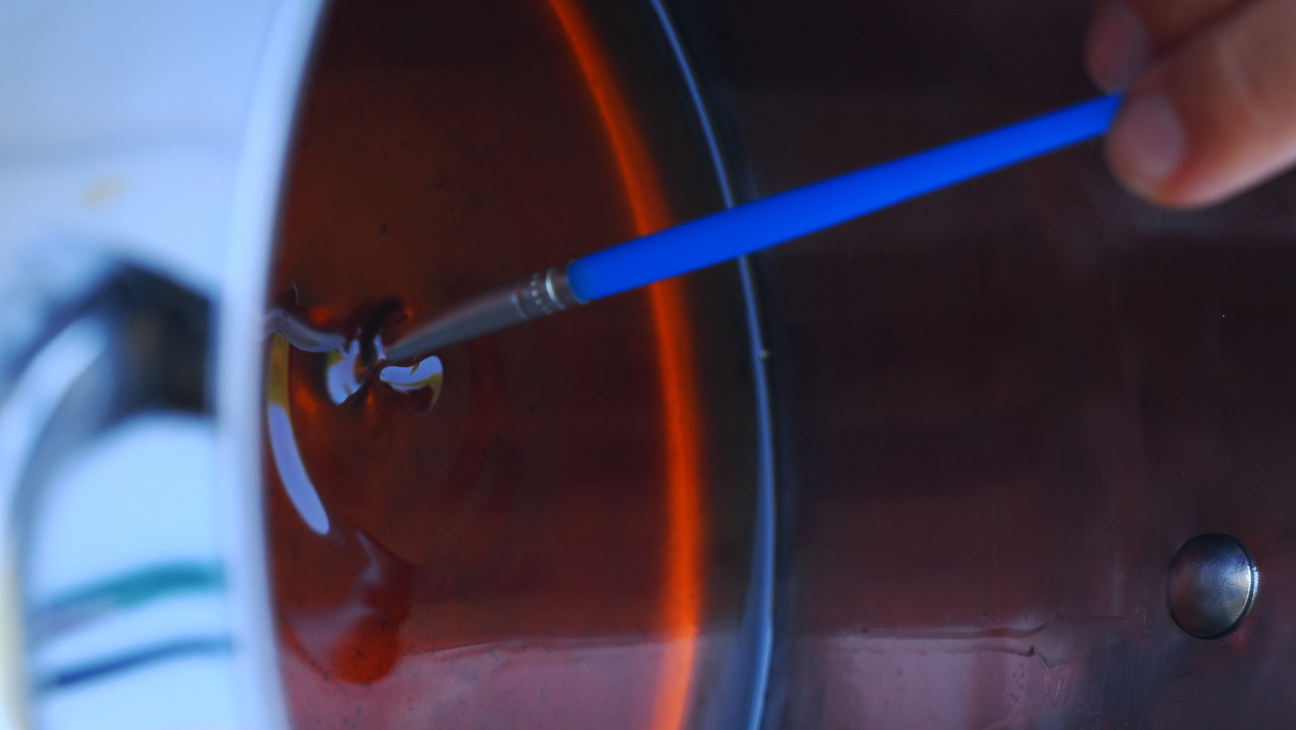
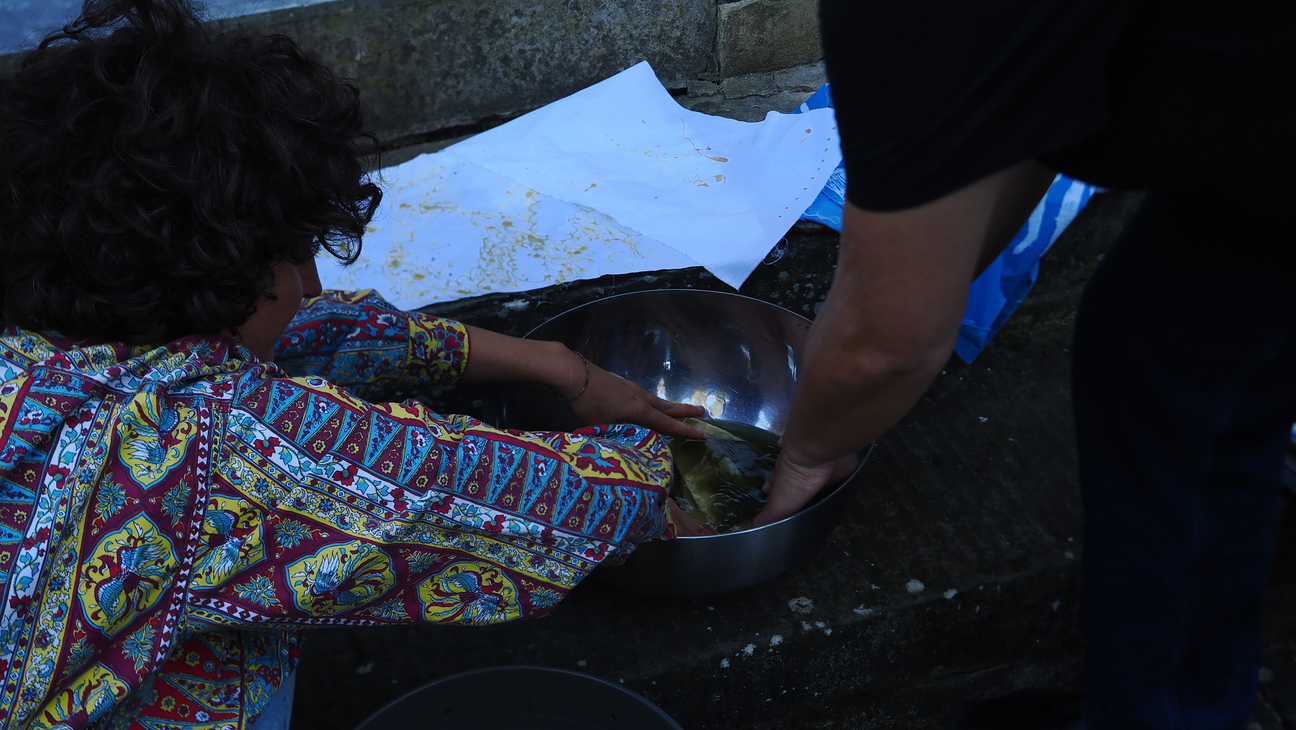
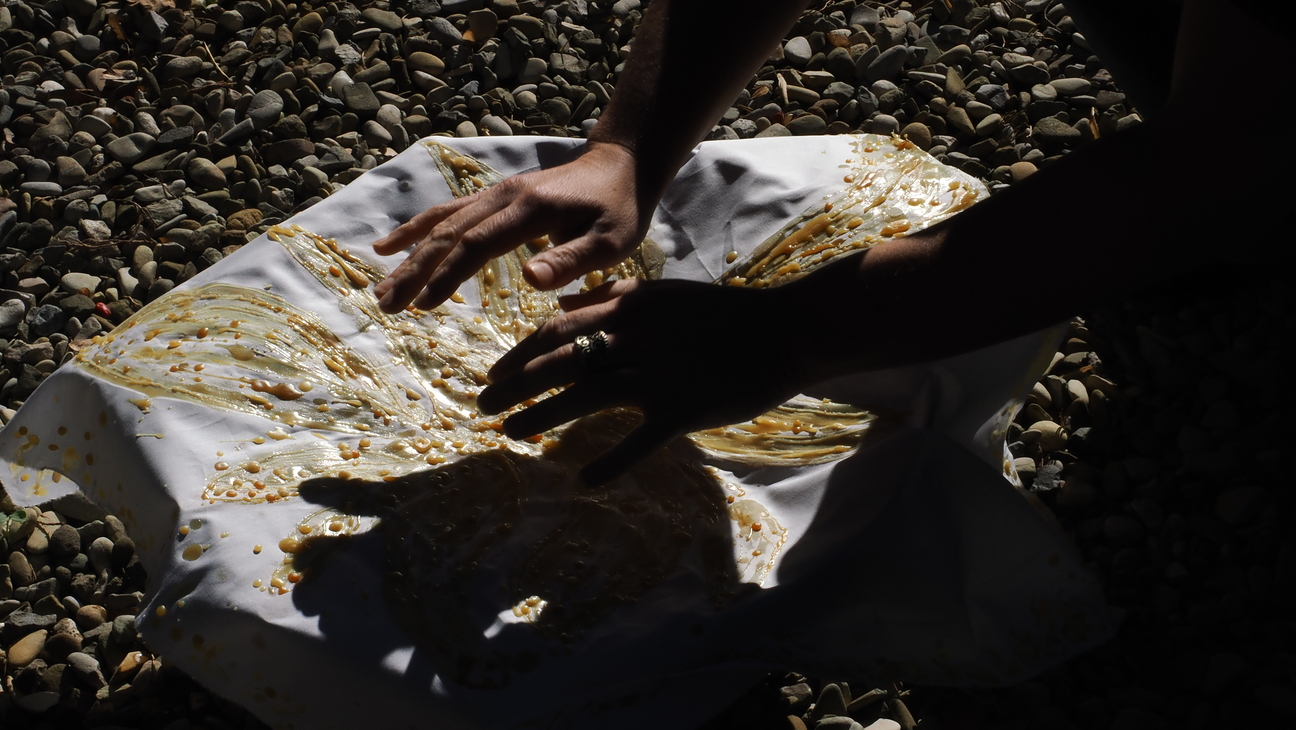
In the third edition of the event series “The Making Of,” artistic research fellow of the KHI at Villa Romana, Elia Nurvista, will present her practice, which centers on the discourse of food and is currently focused on the economy and politics of palm oil plantations. Her talk (11:00) will be followed by a workshop (14:00), in which participants approach batik not only as a textile practice but also as a way of thinking with surfaces. Wax, in its molten state, creates lines of resistance; blocking, staining, and shaping how color and memory settle into cloth. Each mark holds both intention and accident: cracks, smudges, and stains that become traces of time and gesture.
Participants are invited to experiment with the act of covering and revealing, thinking through how surfaces carry histories, how patterns emerge from repetition, and how memory lingers in material. Wax becomes a metaphor for the fragile boundaries we draw, between past and present, concealment and disclosure, permanence and impermanence. Through this collective process, the workshop proposes batik as a method of reflection: to trace, to resist, to remember, and to imagine.
11:00 –12:00 – Talk, Via Gustavo Modena 13, M020
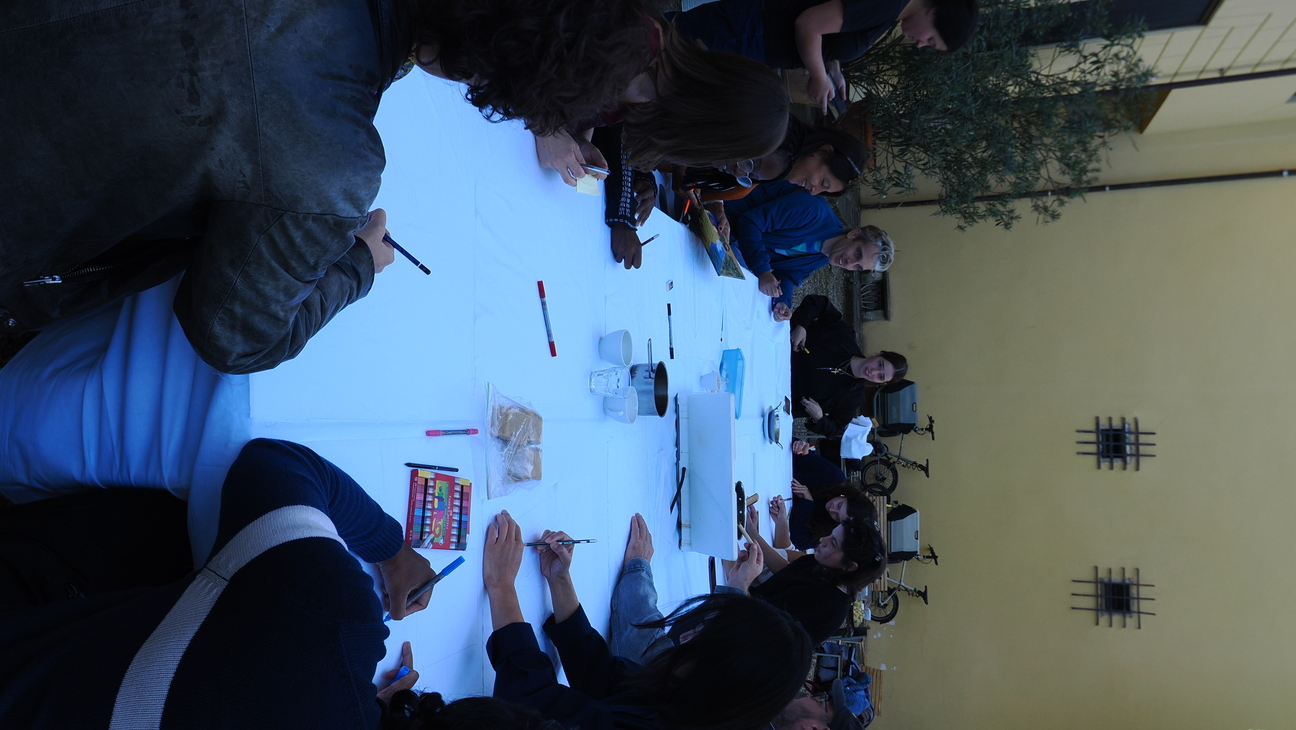
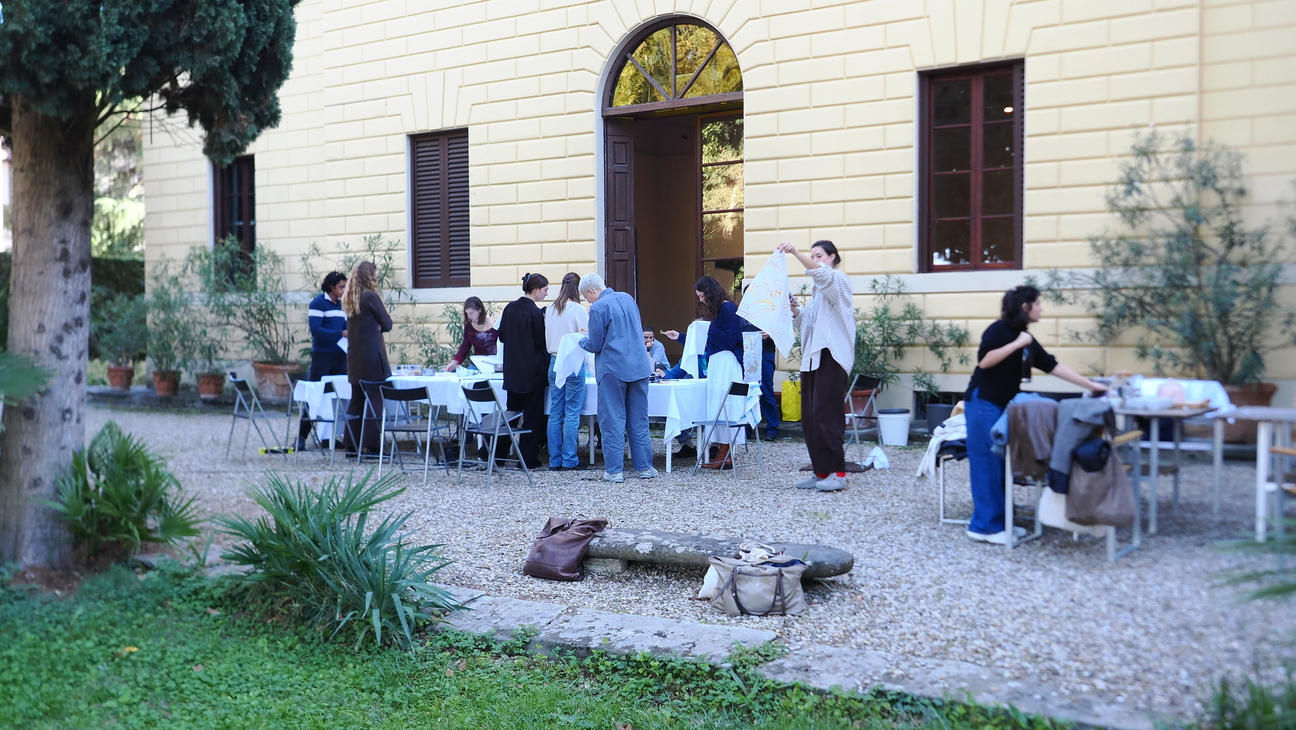
14:00–16:40 – Workshop at Villa Romana, Via Senese 68, Florence
The workshop will take place in the garden at Villa Romana, a place of contemporary artistic production and international cultural exchange. Each participant is invited to prepare a simple one-color sketch (approximately 50 × 50 cm). The sketch can be inspired by themes such as invisible histories, fragile memories, or any subject of personal interest. This drawing will serve as a starting point for the batik-making process.
Please register for the workshop via coded.objects@khi.fi.it. Available spots will be distributed on a first come, first serve basis. To attend the talk, no registration is necessary, and attendance for the talk and workshop is independent.
The event series "The Making Of," organized by the Lise Meitner Group "Coded Objects" asks our guests to invite us behind the scenes of their process of making: of art works, of texts, of films, or of objects. How did they come into being? What were the constraints, limitations or adversities and, conversely, the opportunities and decisions that shaped both the process and the (potential) outcome? Rather than an artist’s talk or a scholarly lecture, this series seeks to discuss the processes of making first hand.
A second component of the series is the actual making of things. The dictum of the material, the humbling lack of skills, the discovery of form-finding: these are all modes of knowledge that reside in the shaping of matter. Learning from artisans, artists, engineers, cooks or seamstresses, we will try to feel our way into other forms of knowing.
Träger der Villa Romana und des Villa Romana-Preises ist der Villa Romana e.V.
Hauptförderer ist die Beauftragte der Bundesregierung für Kultur und Medien
Weitere Förderer sind die Deutsche Bank Stiftung, die BAO-Stiftung sowie projektbezogen zahlreiche Privatpersonen, Unternehmen und Stiftungen aus der ganzen Welt.
Das Kunsthistorische Institut in Florenz – Max-Planck-Institut (KHI) bietet eine kontinuierliche institutionelle Zusammenarbeit an und führt jährlich eine Forschungsarbeit mit einem der Villa-Romana-Preisträger*innen durch.
Villa Romana e.V. wird gefördert von: