
Marianna Faleri, Furance, 2026
FORMANCES – Exercises in Maintenance, Listening and Restanza
Within the exhibition In the Meantime. Villa Romana Fellows 2026
15 April 2026
10am - 7:30pm
Via Senese 68
Conceived in dialogue with the exhibition In the Meantime. Villa Romana Fellows 2026, and within the framework of the 2026 programme FORMANCES — Rehearsals of the Everyday, this day brings together performance, listening practices and theoretical reflection to explore form as something that emerges through relation, attention and processes of maintenance. As the house of the fellows, Villa Romana understands its public programme as a space that gives resonance to the artistic research unfolding within it. Several of the 2026 fellows engage textile practices and techniques of weaving; the programme expands these lines of inquiry by opening them to shared forms of attention, transmission and collective experience. Supported by Toscanaincontemporanea, the event contributes to fostering artistic research among emerging artists and to situating their work within broader cultural and ecological questions.
The programme is conceived through Marianna Faleri’s research on weaving as a relational and embodied practice, in dialogue with Vito Teti’s concept of restanza. In many Mediterranean contexts, textile knowledge has historically been transmitted through oral forms such as lullabies and rhythmic chants accompanying the act of weaving. These nenie function not only as mnemonic devices but as living structures of continuity, allowing techniques, gestures and forms of knowledge to persist across time despite conditions of rupture, migration or marginalisation. Within this perspective, weaving becomes both material practice and metaphor for remaining: a way of holding together fragile threads of memory, relation and transmission. Restanza thus appears as a situated form of persistence, not grounded in fixity but in the continuous reactivation of relations, gestures and shared forms of attention.
Rather than presenting completed works, the programme foregrounds processes of rehearsal, relation and situated attention. Form is approached as something continuously negotiated through collective presence, where maintenance becomes a practice of sustaining what exists in potential, in transition, or in transformation.
10:00 –12:30
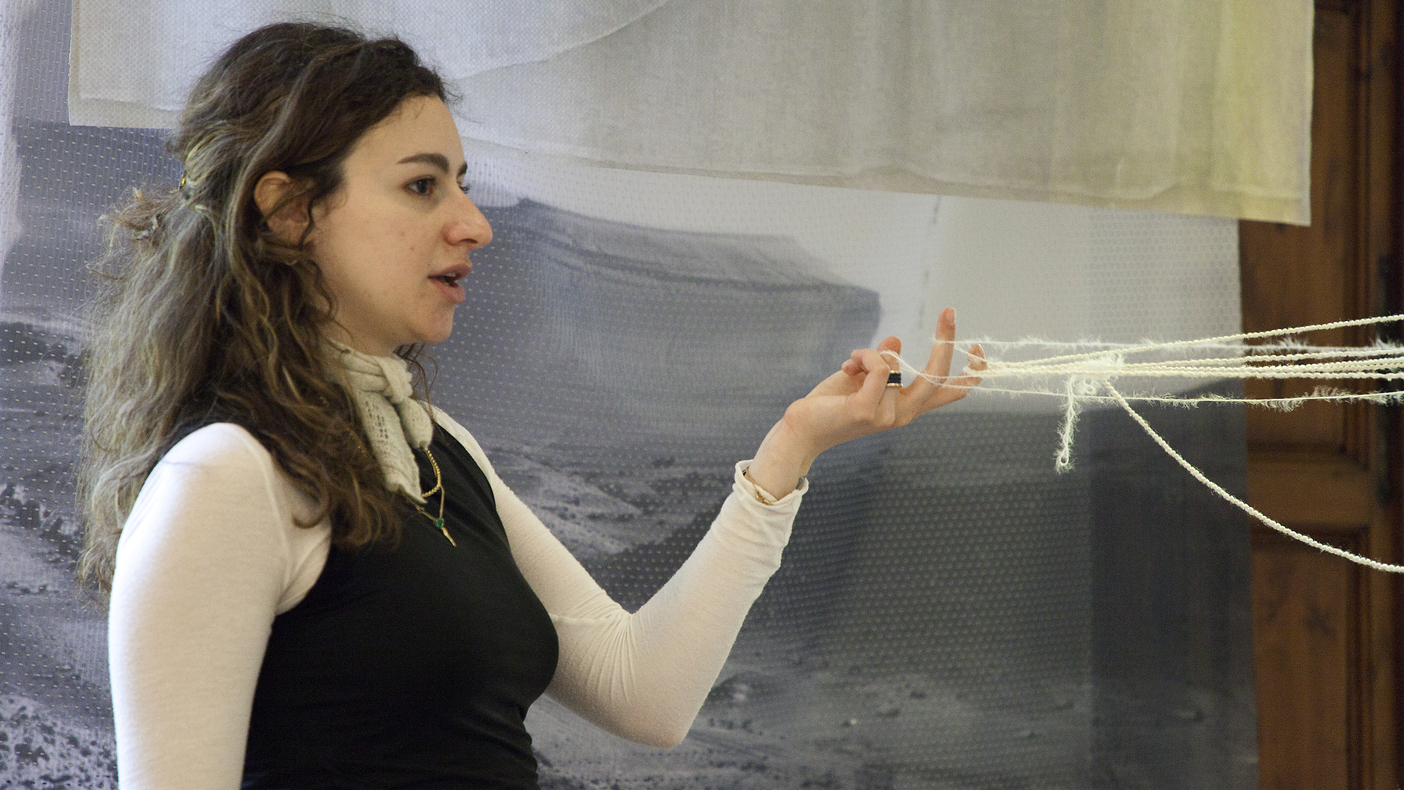
Workshop with Marianna Faleri
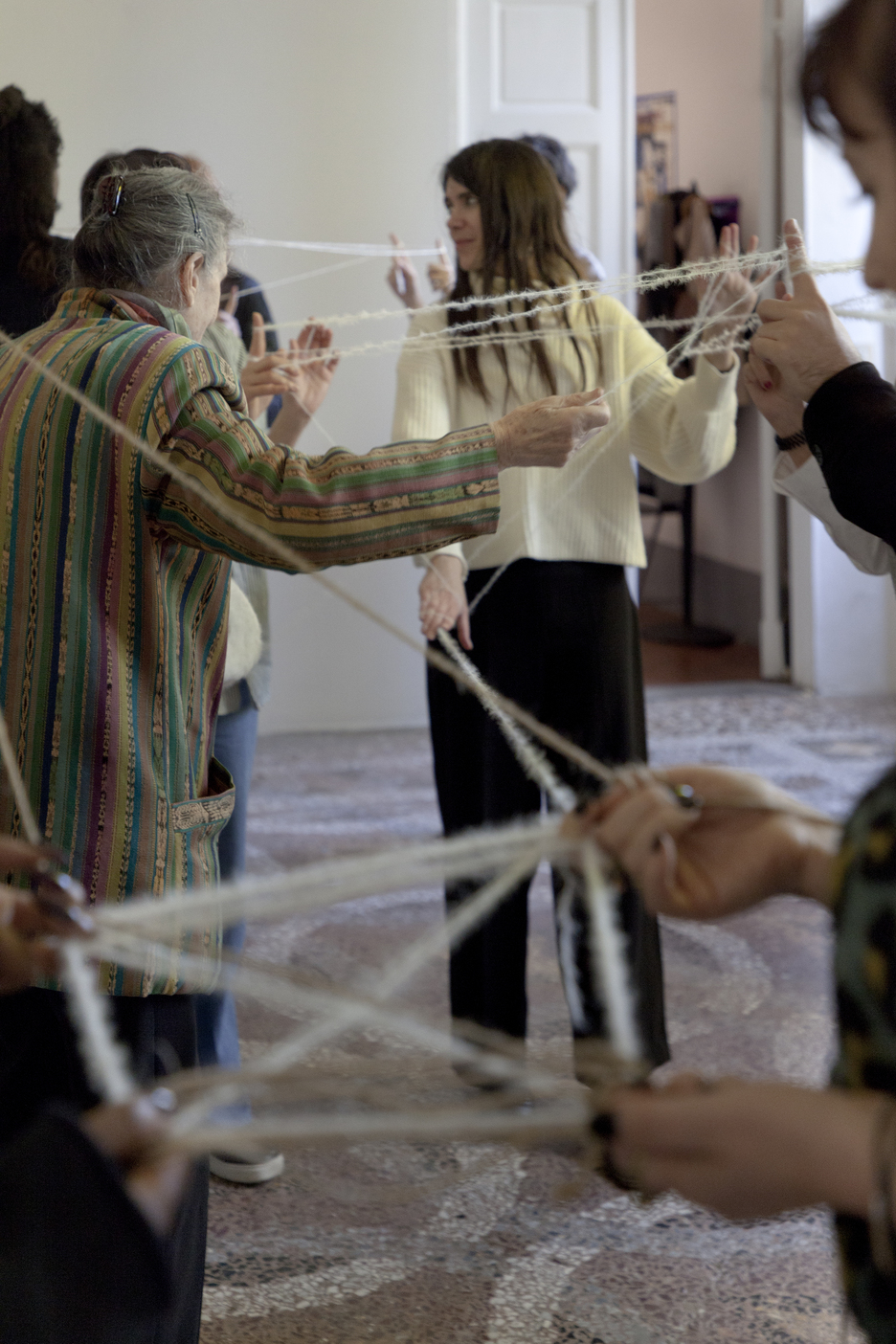
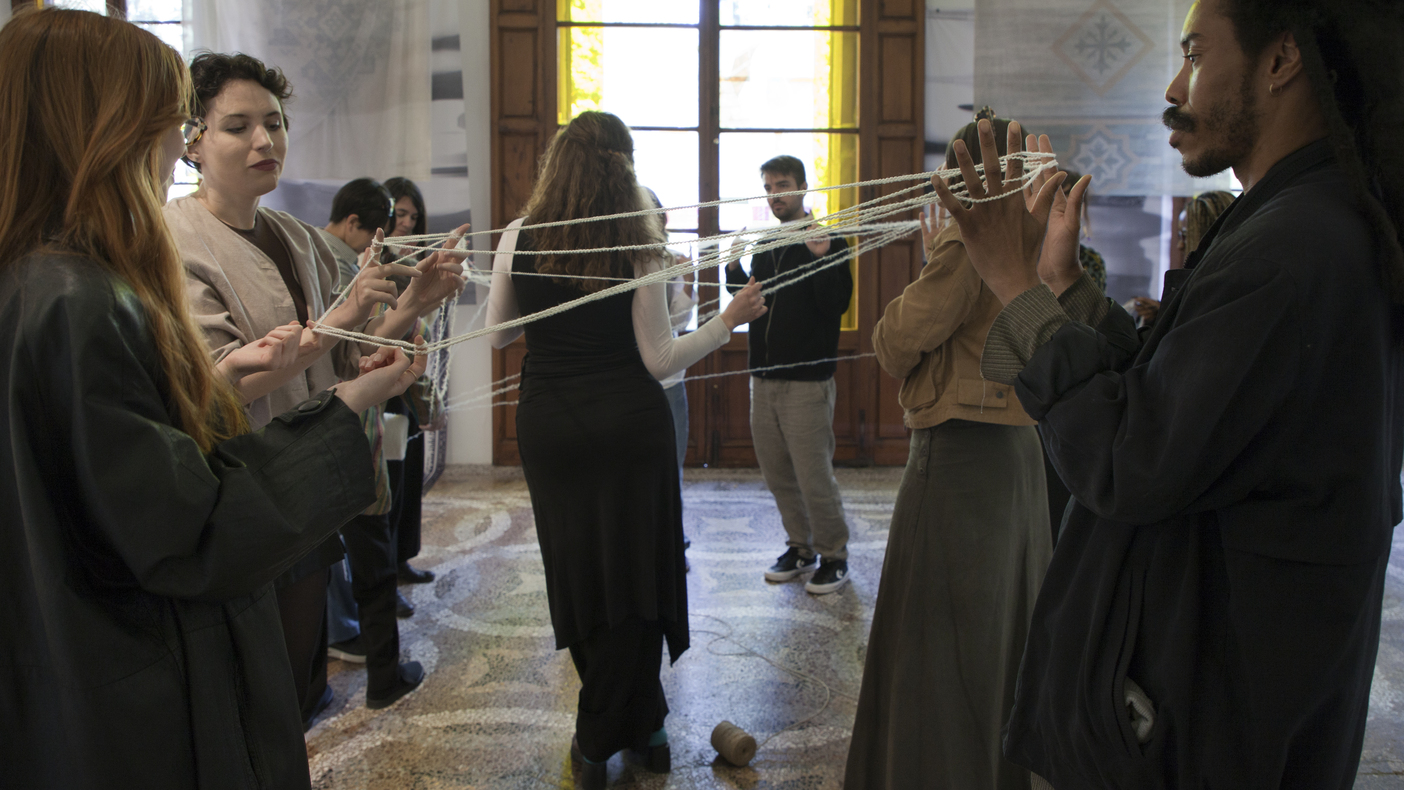
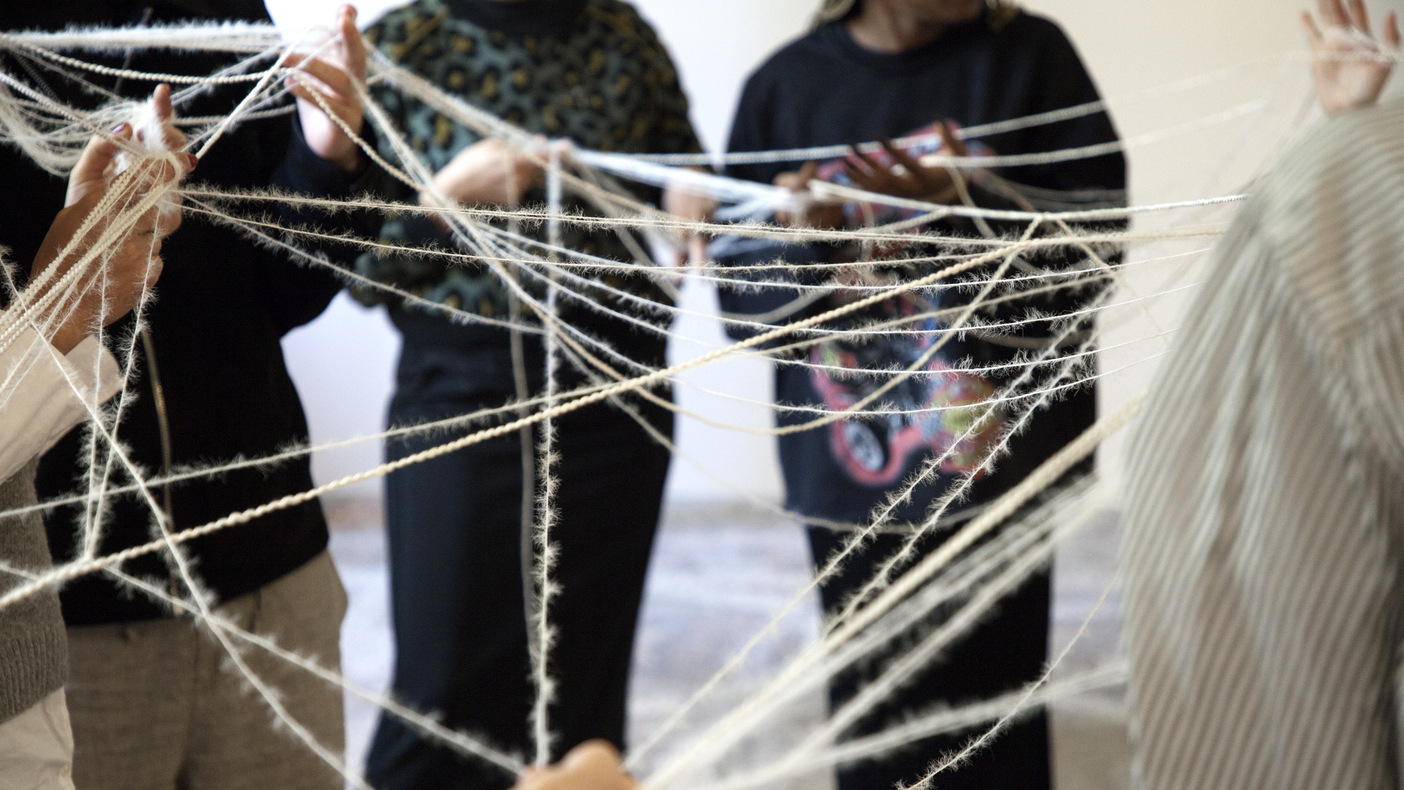
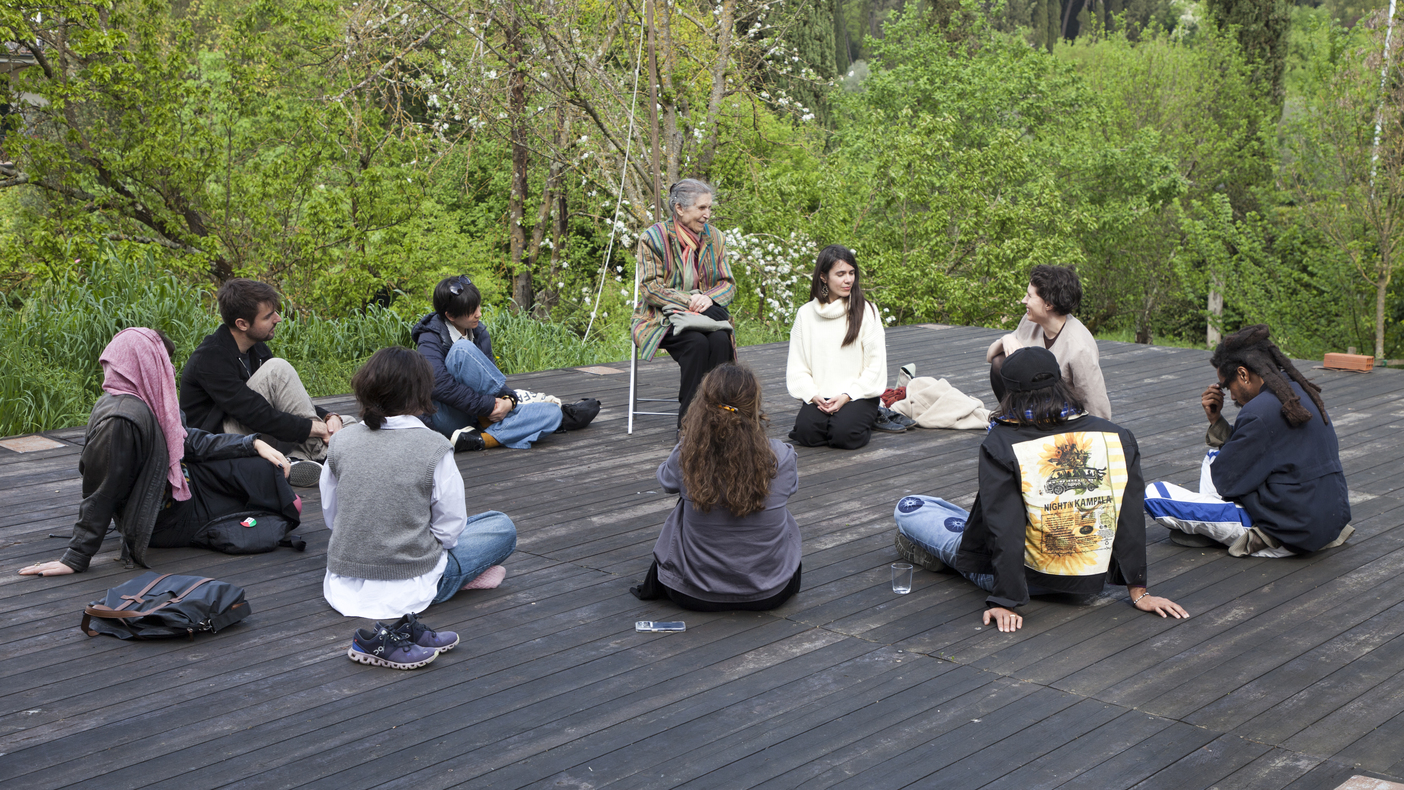
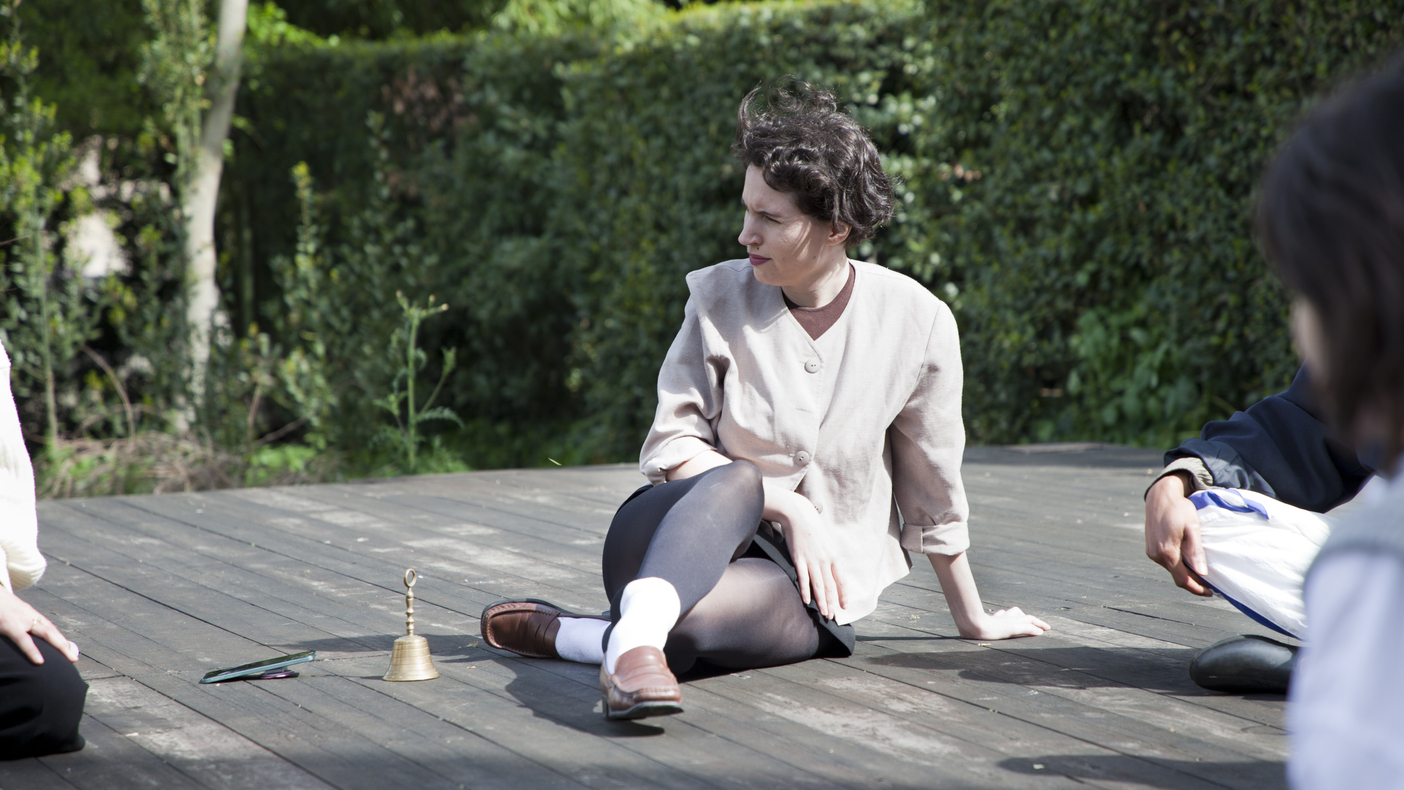
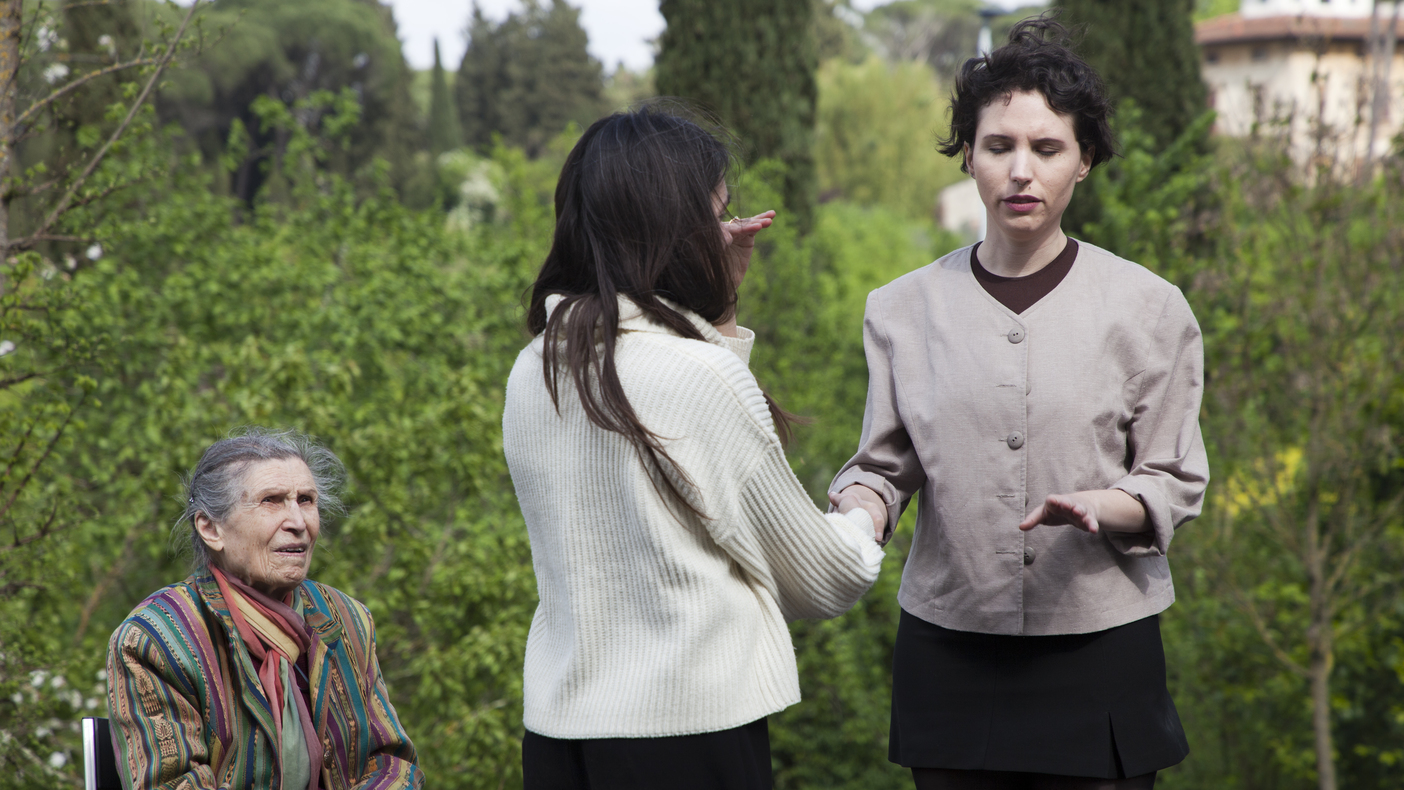
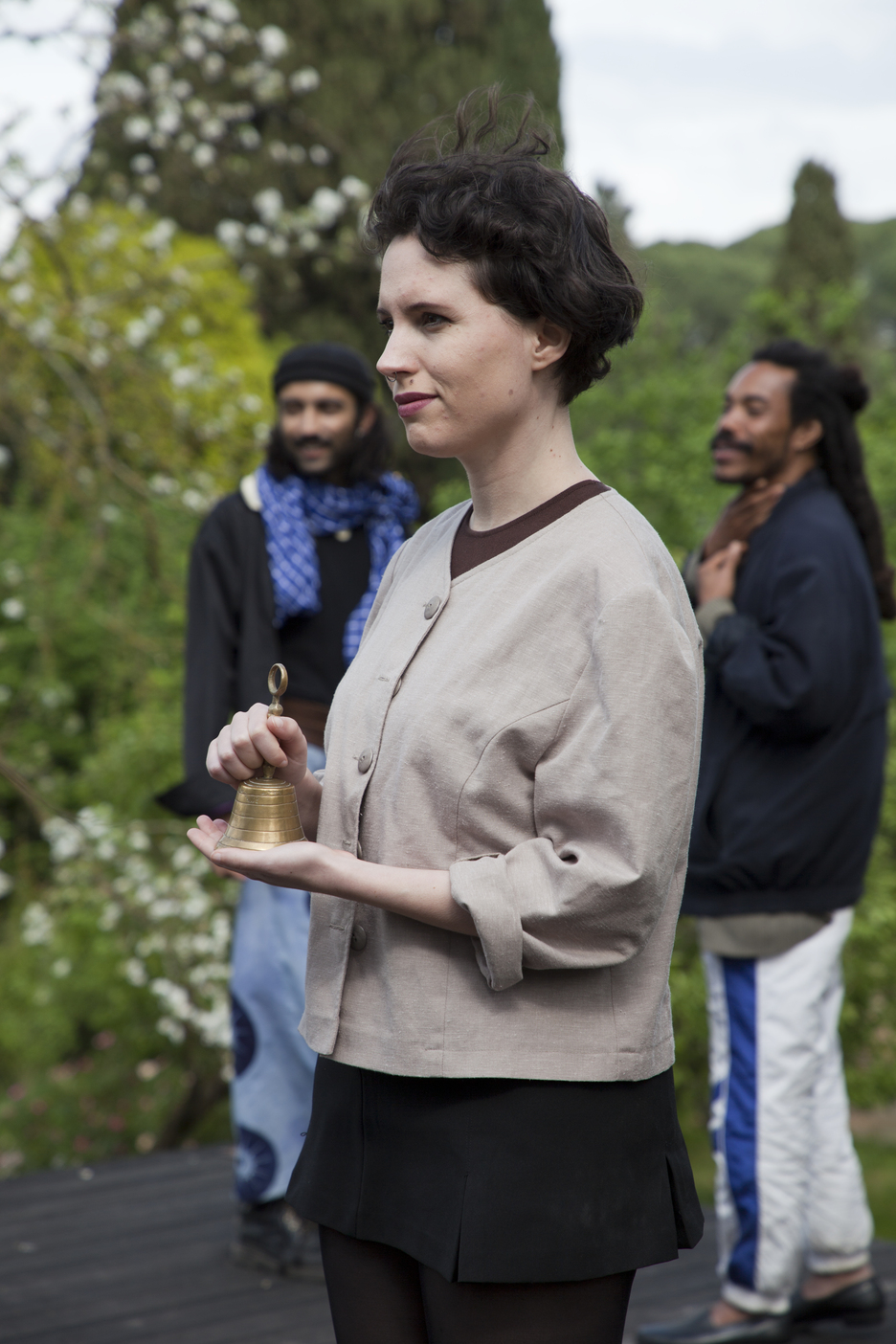
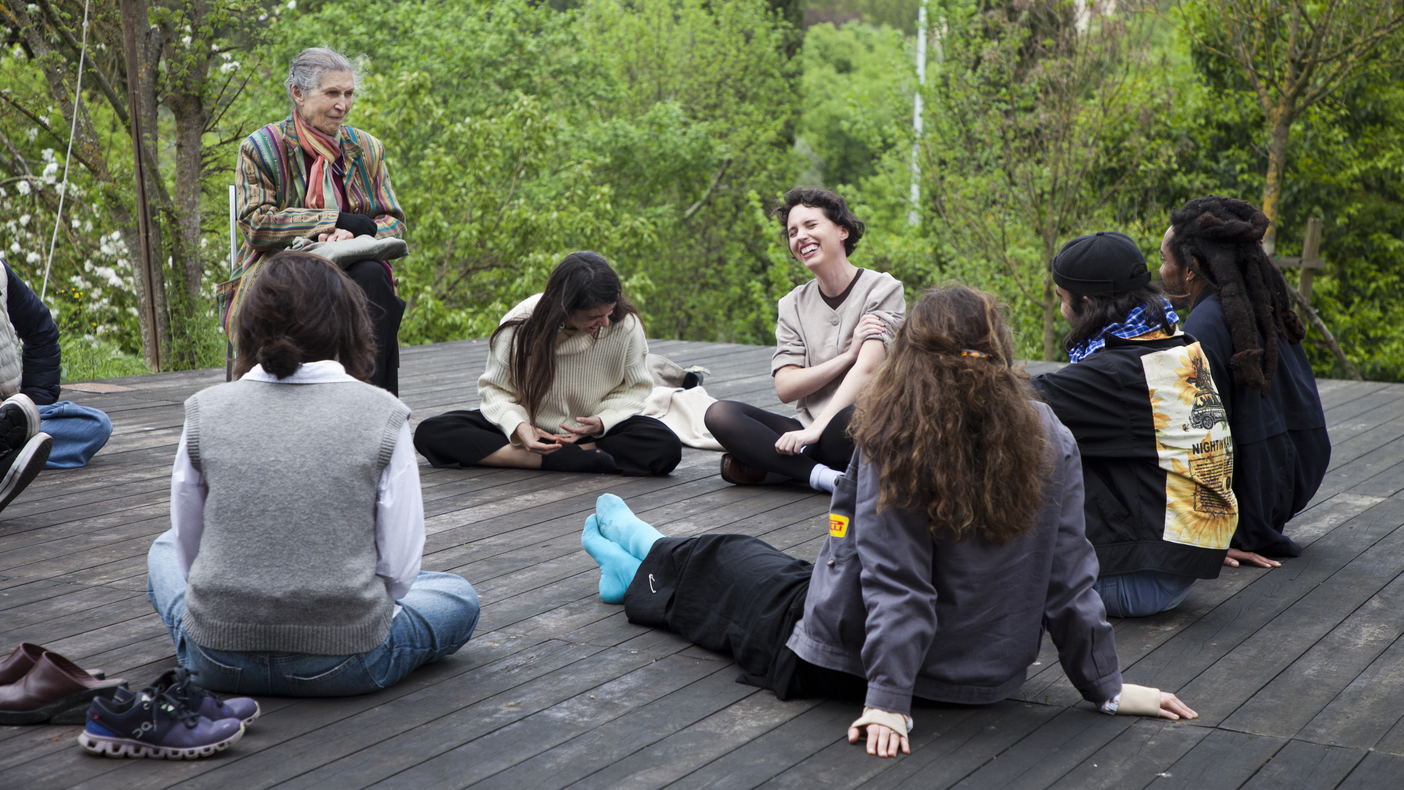
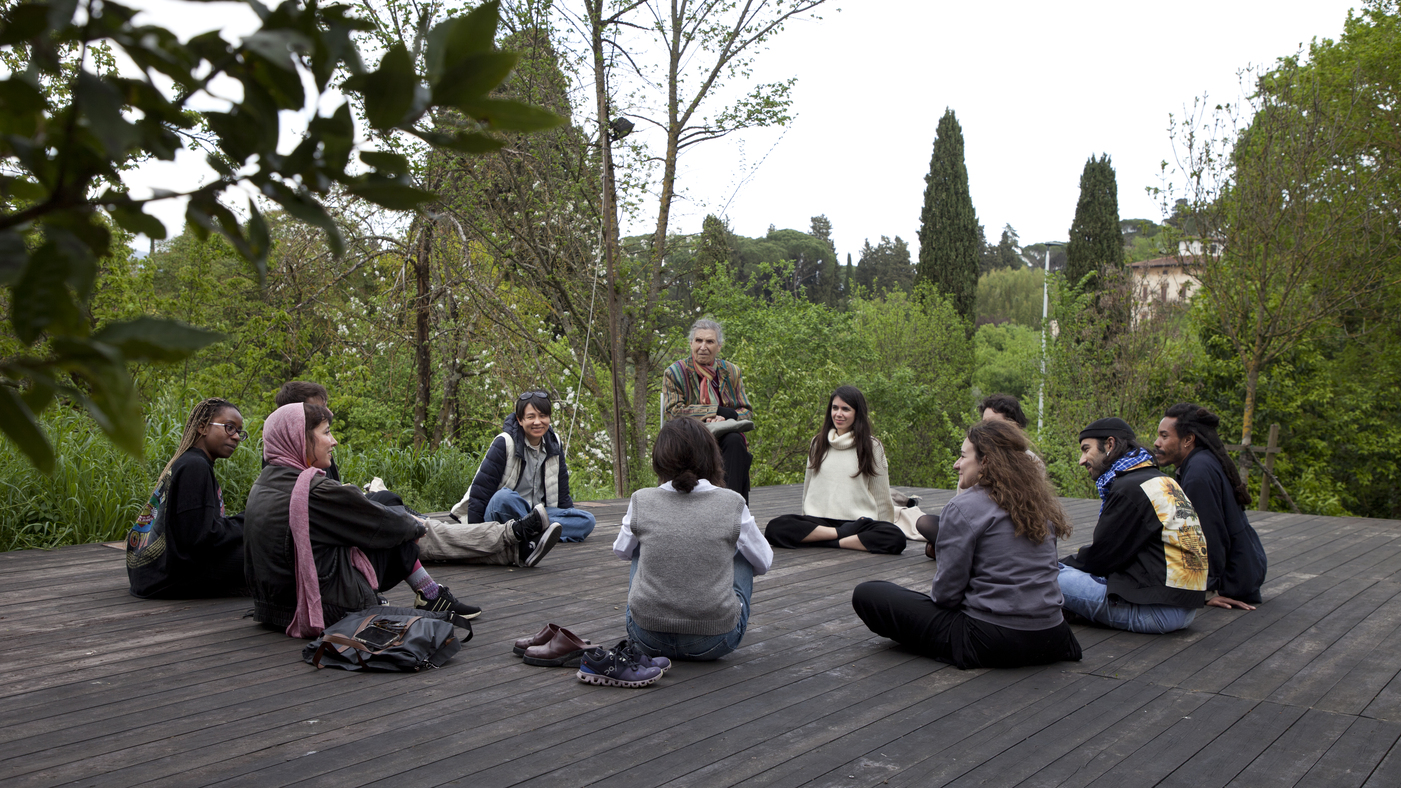
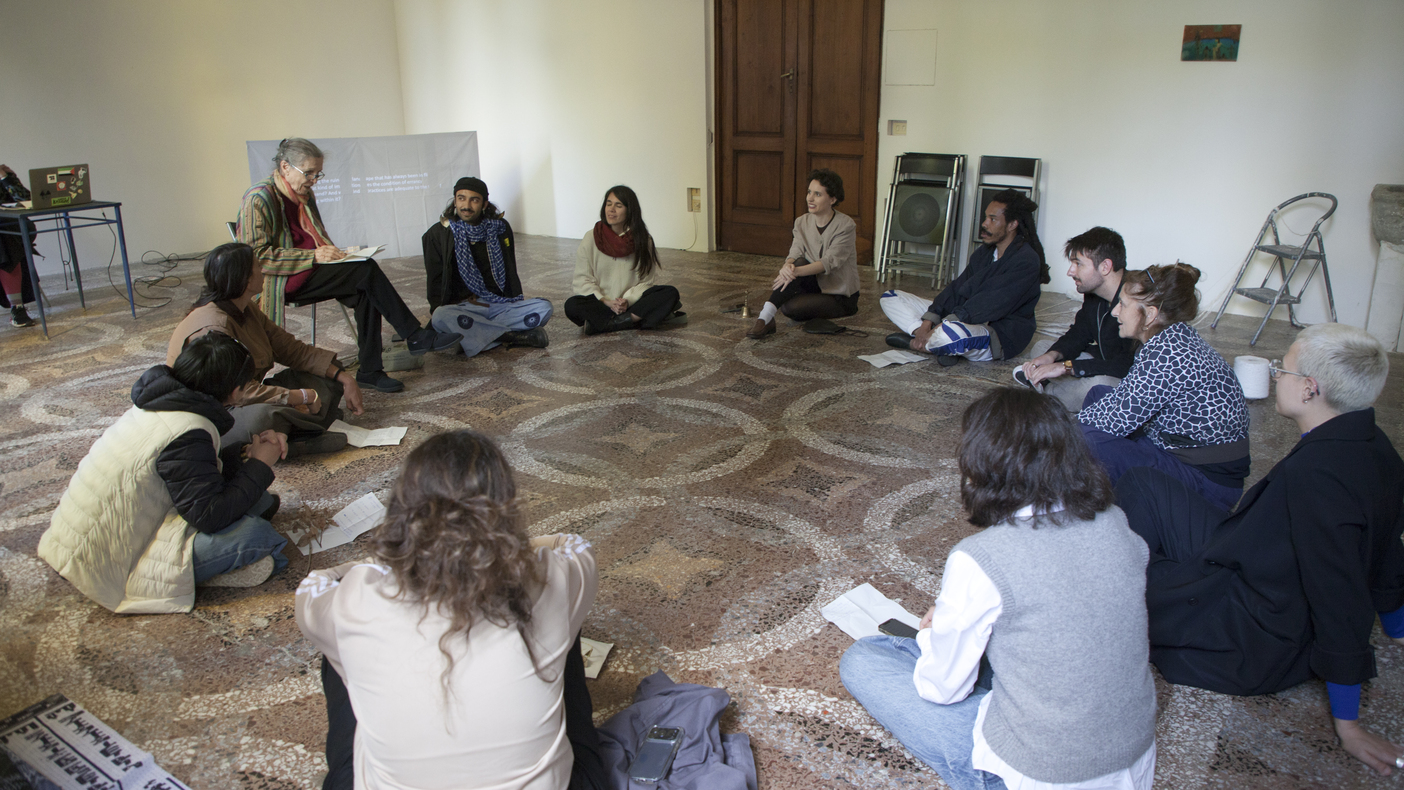
The morning workshop develops Faleri’s project Chaînettes – Pre-Structure for Maintenance, a collective performative exercise in which participants themselves become the apparatus of weaving. Threads are passed from body to body, measured in space and held in tension collectively, generating a temporary structure in which the textile exists only as potential form. By shifting the preparatory phase of weaving from the loom to the body, the work transforms technique into social choreography. Weaving appears here as a practice of relation, in which fragility, interdependence and maintenance emerge as shared conditions, and in which continuity is sustained not through permanence but through repetition and transmission.
Please confirm your participation by sending an email to: office@villaromana.org
15:00 – 18:00
Only a visitor - Workshop by Diana Lola Posani, in collaboration with Signa Schiavo Campo
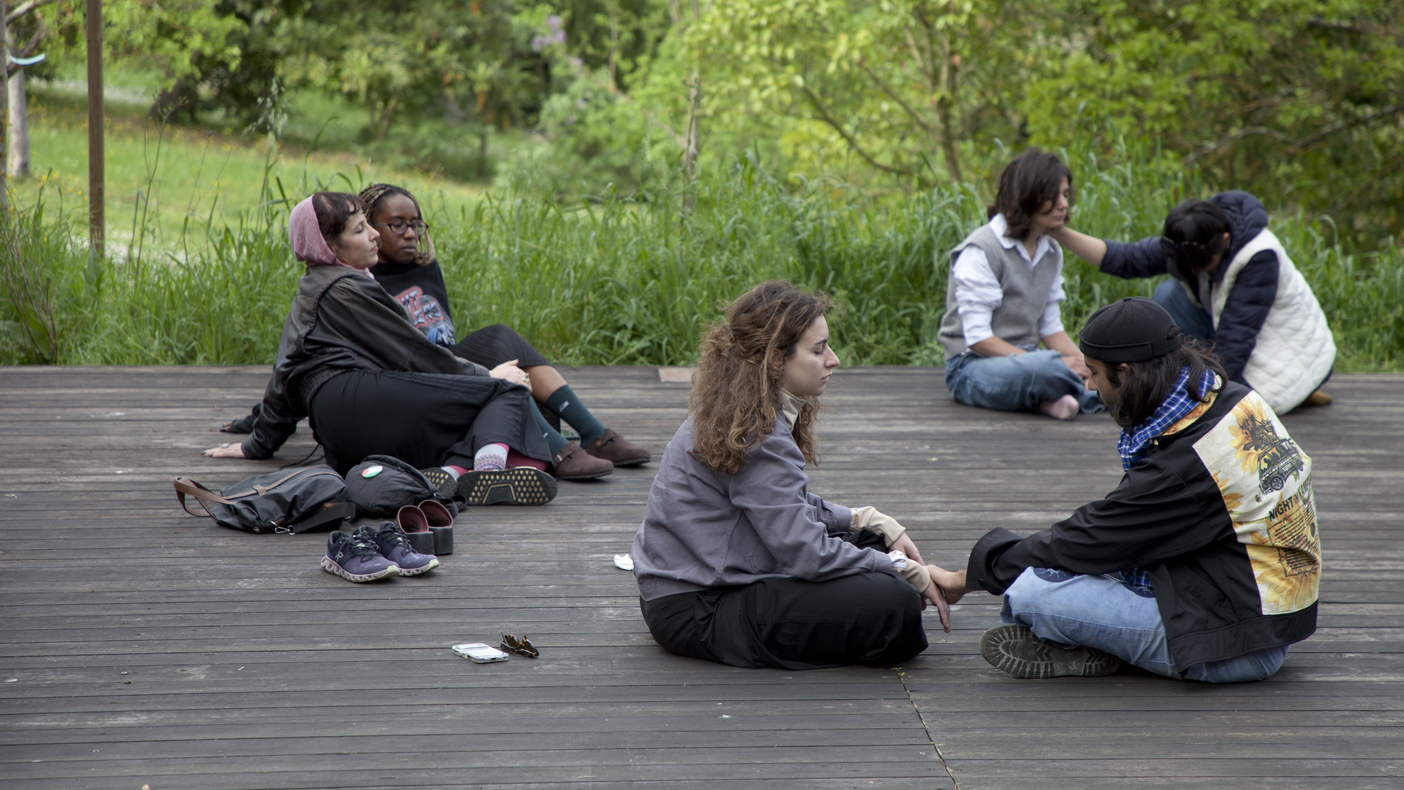
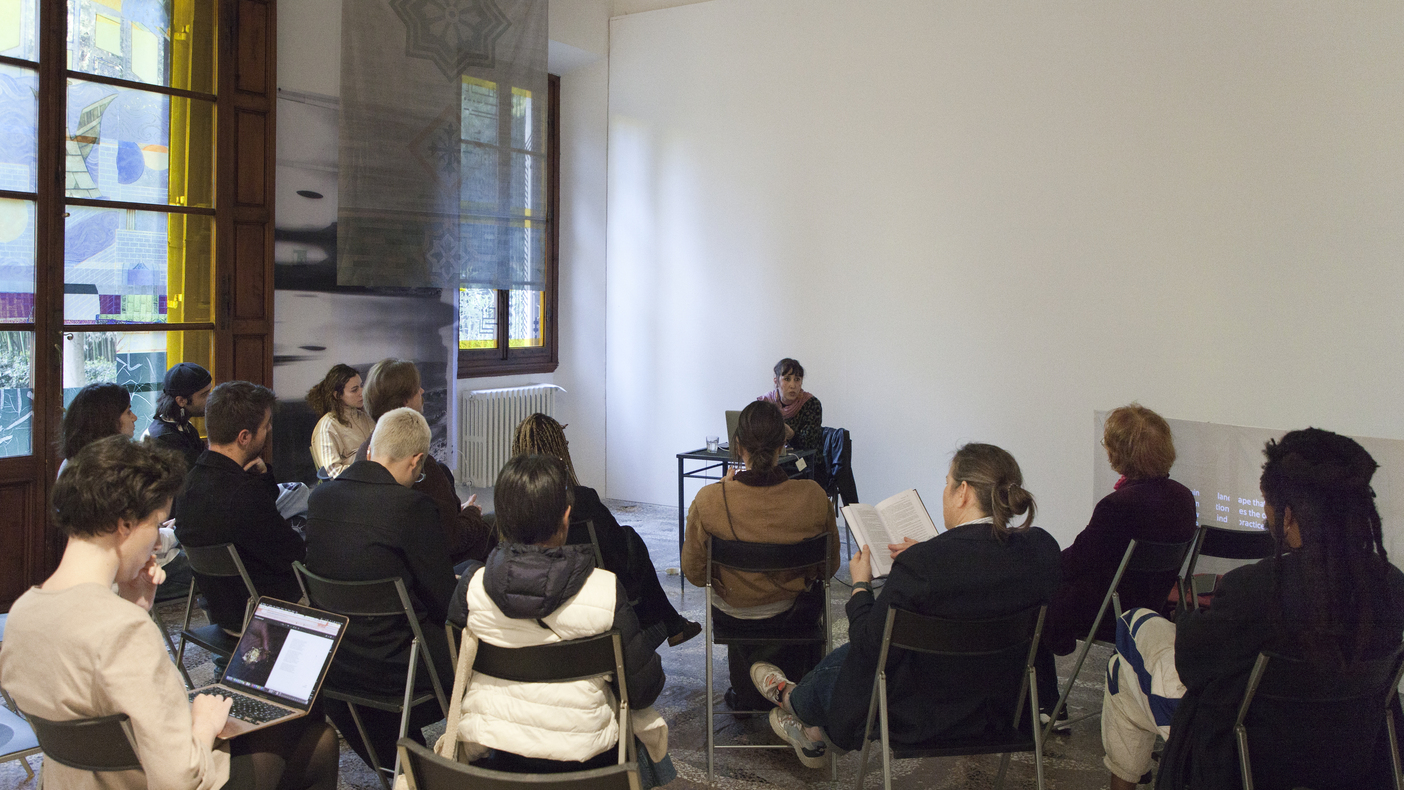
The afternoon session introduces deep listening as a practice of expanded attention to the vibrational and relational dimensions of experience. Through guided listening exercises and ecosomatic approaches, participants explore perception as an embodied process situated within broader ecological and social environments. Listening becomes a way of reconfiguring the relation between body and world, opening awareness to forms of interconnection that resonate with the oral and rhythmic structures historically accompanying textile practices.
Please confirm your participation by sending an email to: office@villaromana.org
18:30 - 19:30
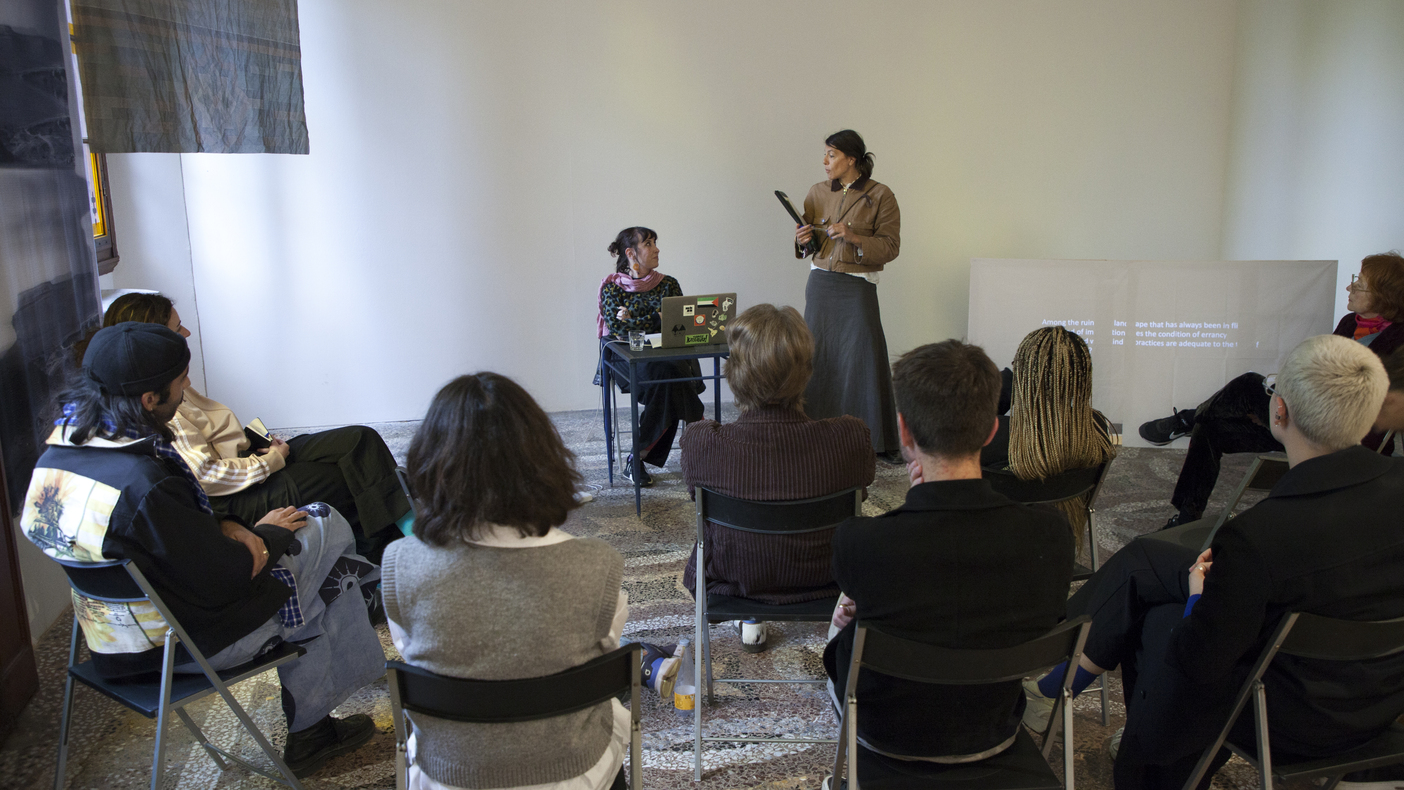
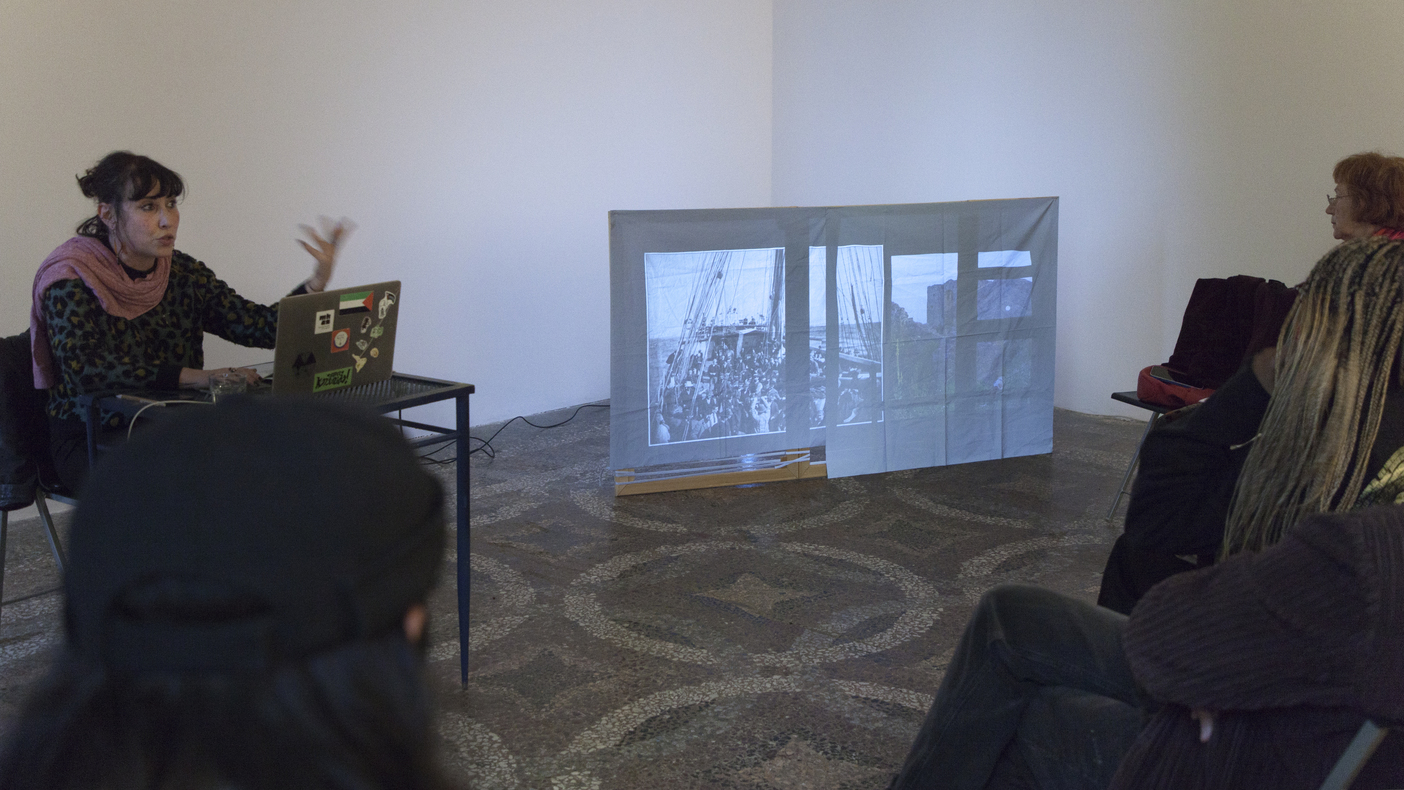
Closing lecture and reflections - Among the Ruins
What does it mean to live among ruins? In Calabria — and across the landscapes of the Mediterranean South — ruination is not a metaphor but a material condition: the slow and violent process by which places, communities, and bodies are unmade, abandoned, and forgotten.
What does ruination do to those who remain? What forms of knowledge, imagination, and refusal does inquietudine — this deep, inherited unease with and within the land — make possible? This talk takes as its starting point Vito Teti's concept of inquietudine — the restlessness, unease, and irresolution that defines life in terra inquieta, the unsettled and unsettling land of the Calabrian interior — and sets it in dialogue with the framework developed in Imagination Besieged: Coloniality, Violence, and Feminism in 'Mediterranean' Art and Literature (Routledge, 2025). Together, they propose a way of reading ruination not as the end of history but as its most legible surface: the place where the violence of extraction and abandonement, leaves its most visible marks.
In dialogue with Lise Meitner Research Group "Coded Objects" at the Kunsthistorisches Institut in Florenz (KHI) - Max Planck Institute





The Villa Romana e.V. maintains the Villa Romana and the Villa Romana Prize.
The main sponsor is the Federal Government Commissioner for Culture and the Media.
Other sponsors are the Deutsche Bank Foundation, the BAO Foundation as well as - project related - numerous private individuals, companies and foundations from all over the world.
This project is also supported by:
.png)
