.jpg)
Graphic Design: Lilia Di Bella (Archive Appendix)
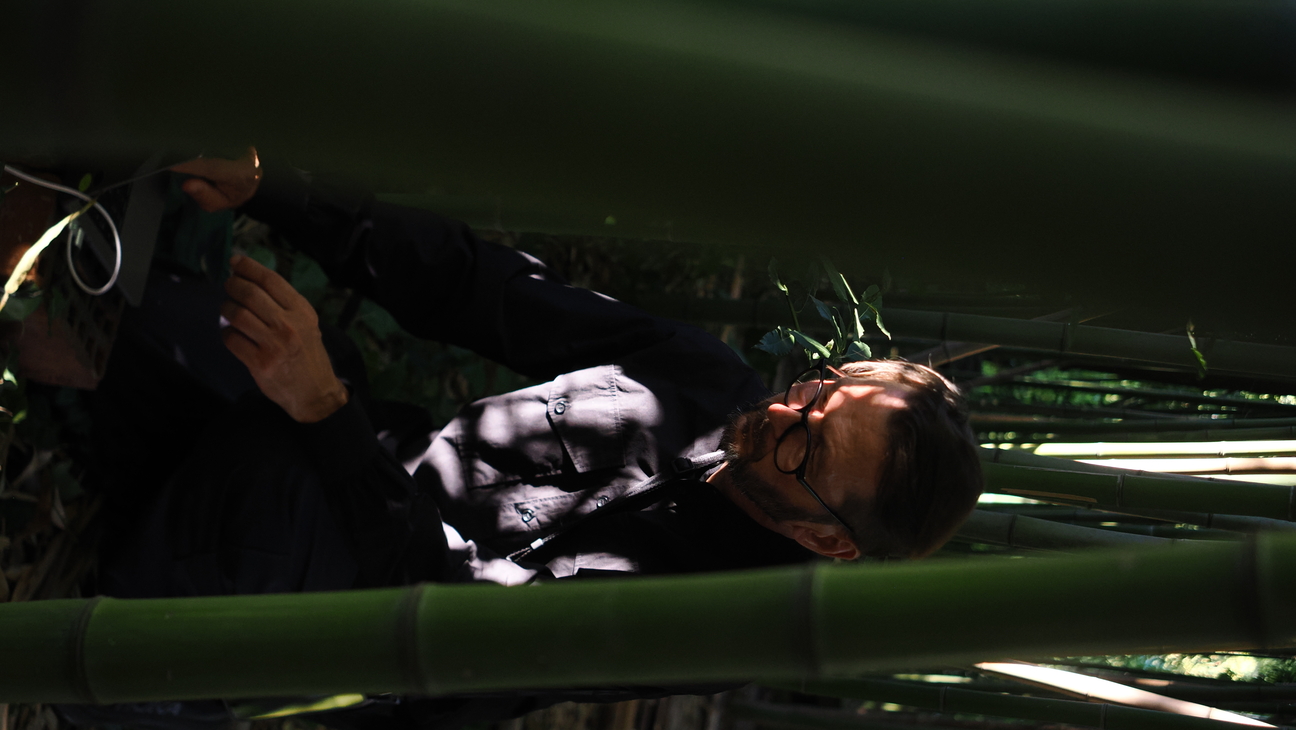
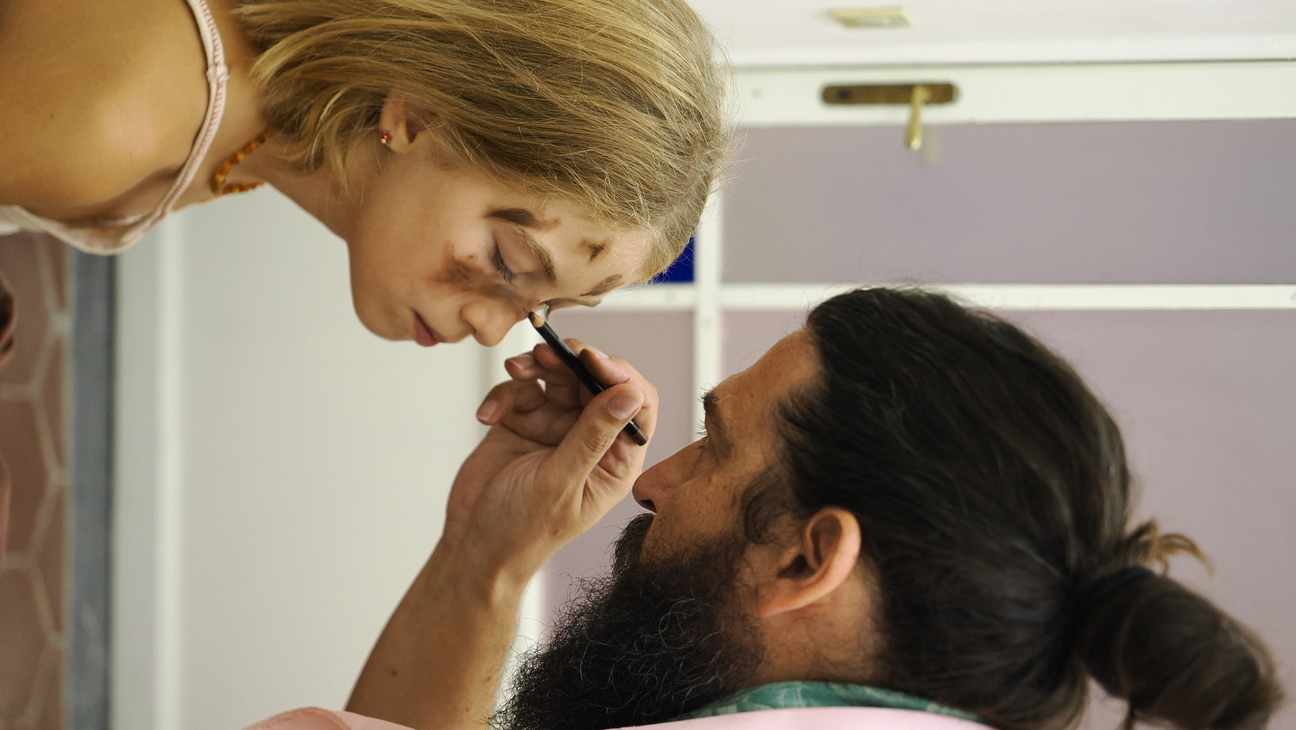
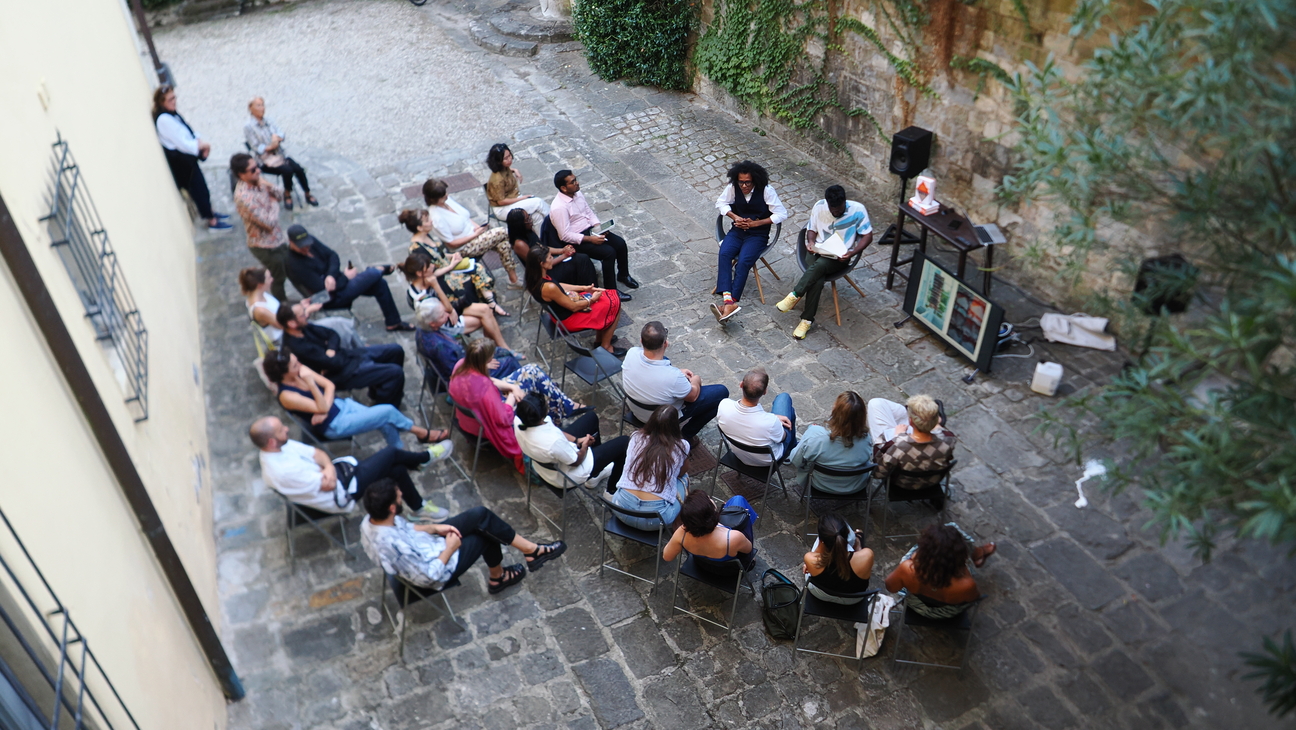
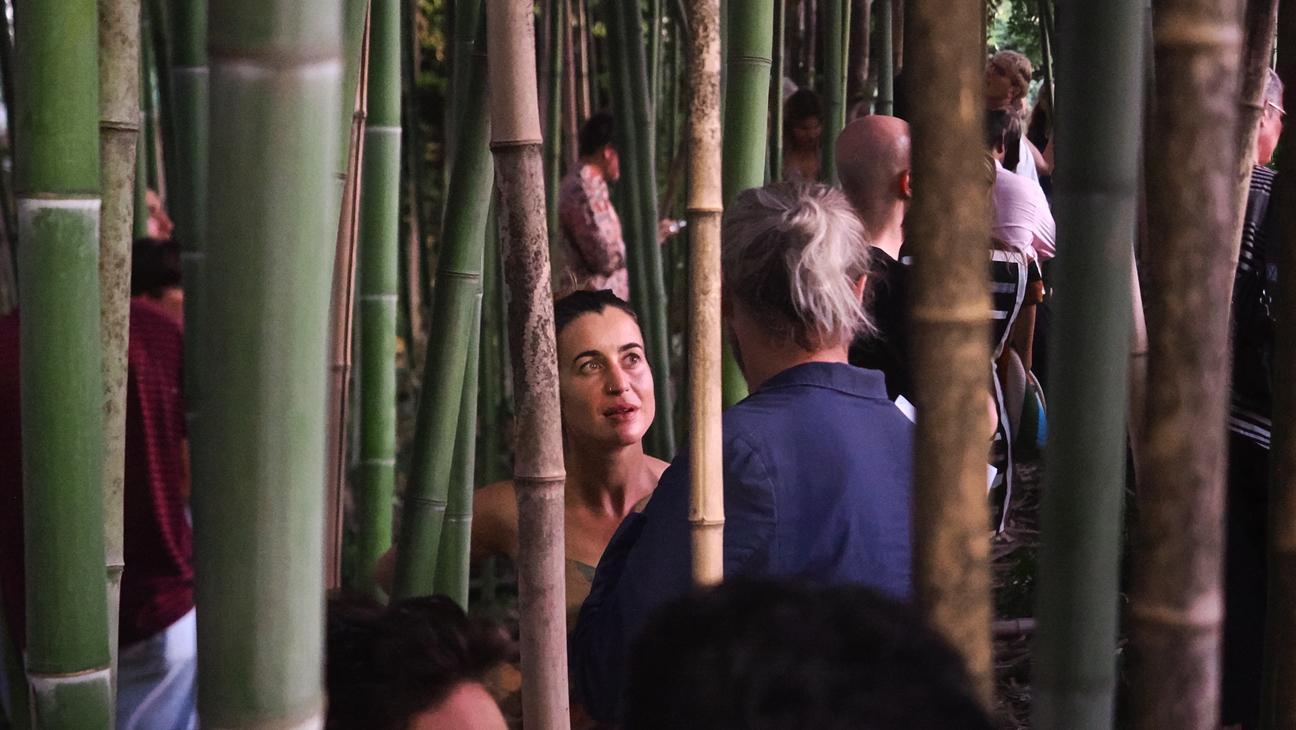
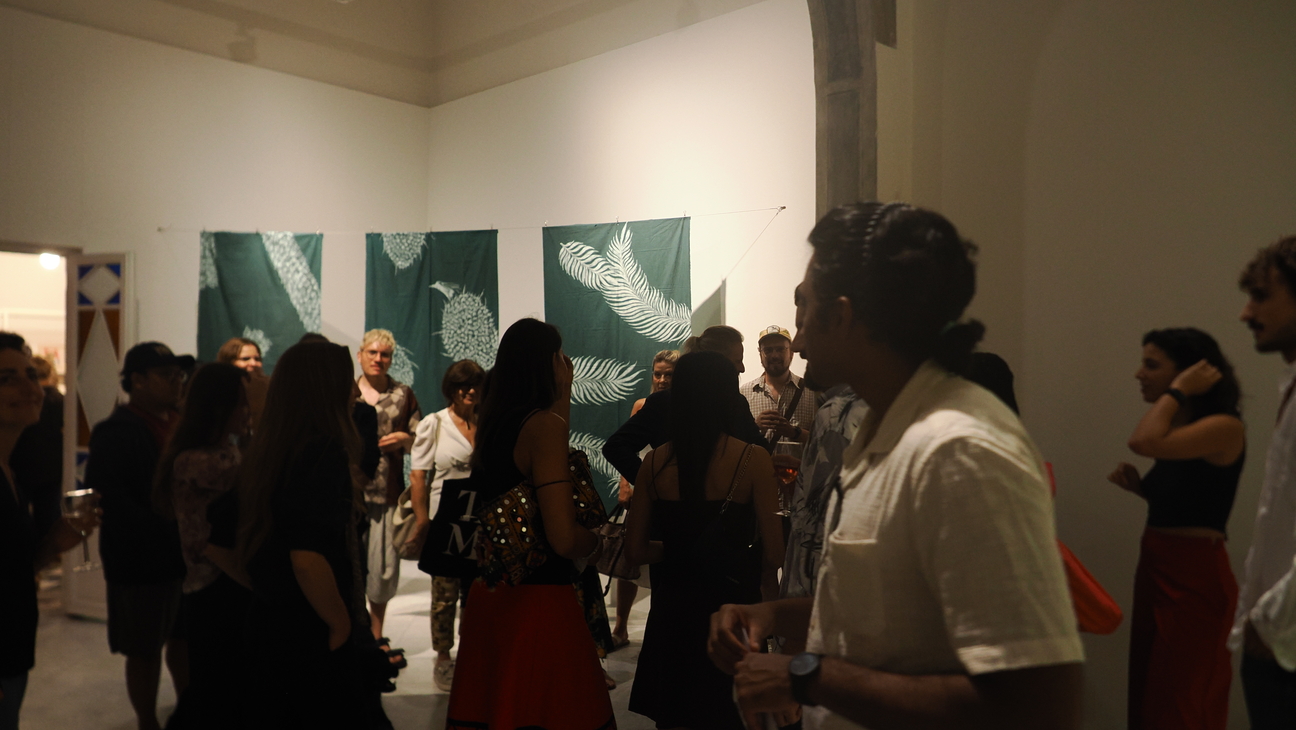
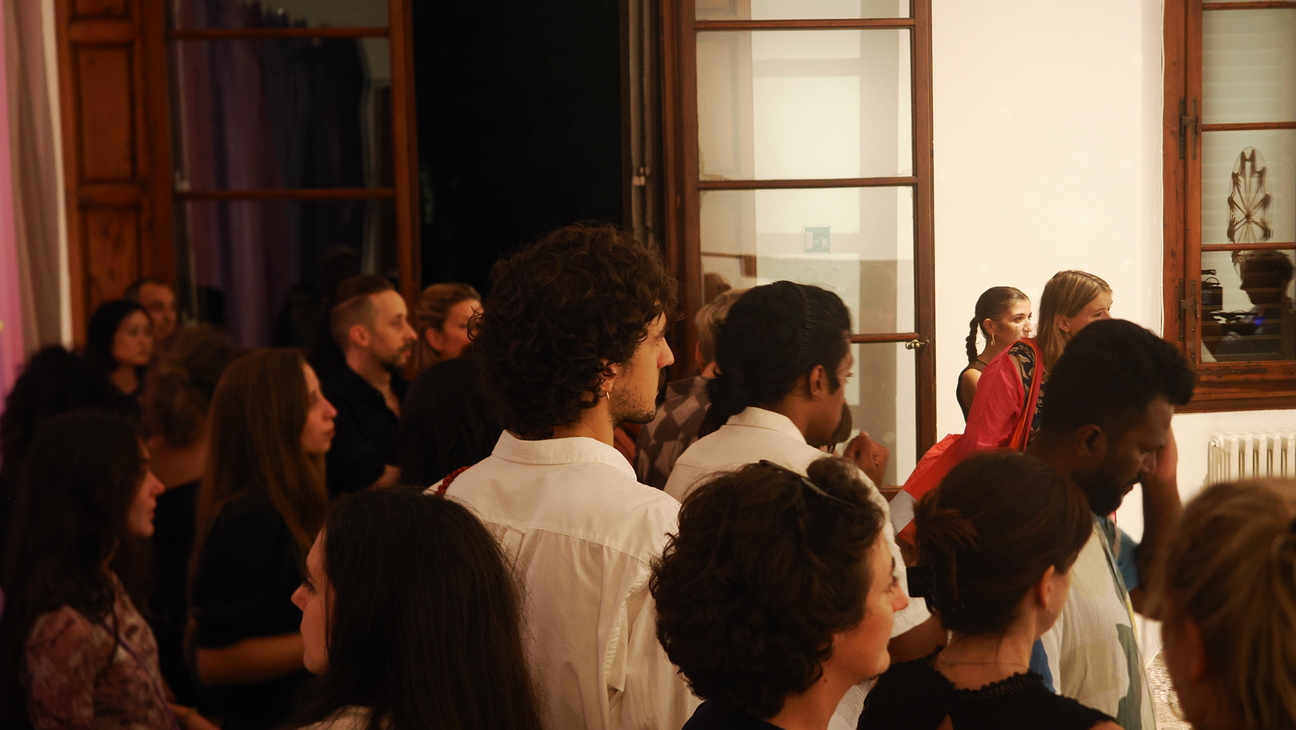
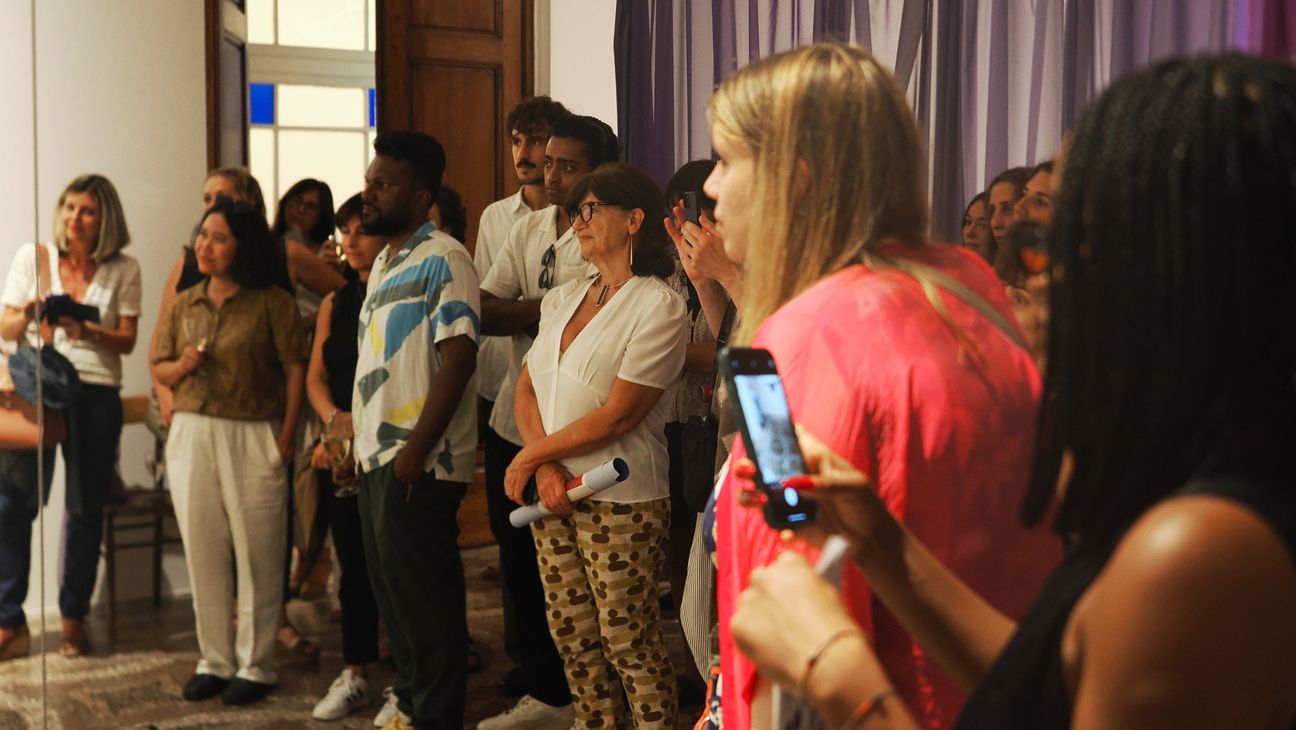
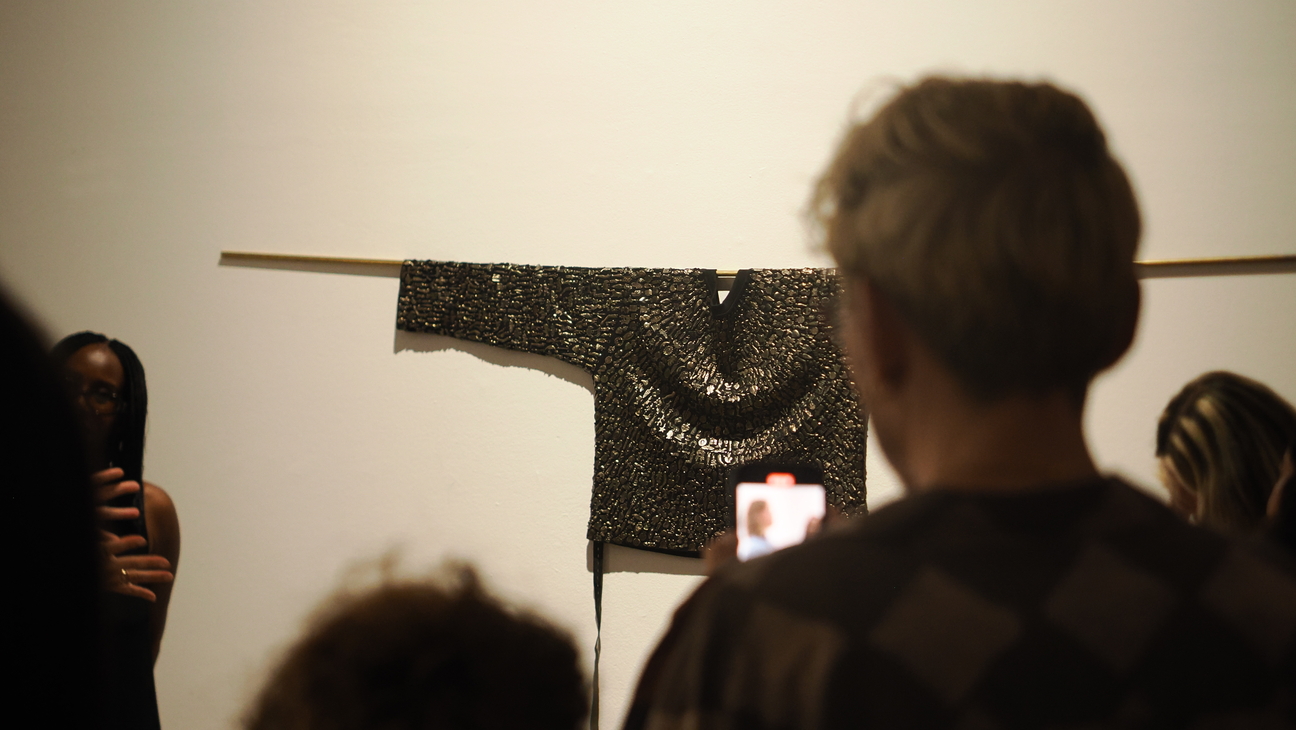
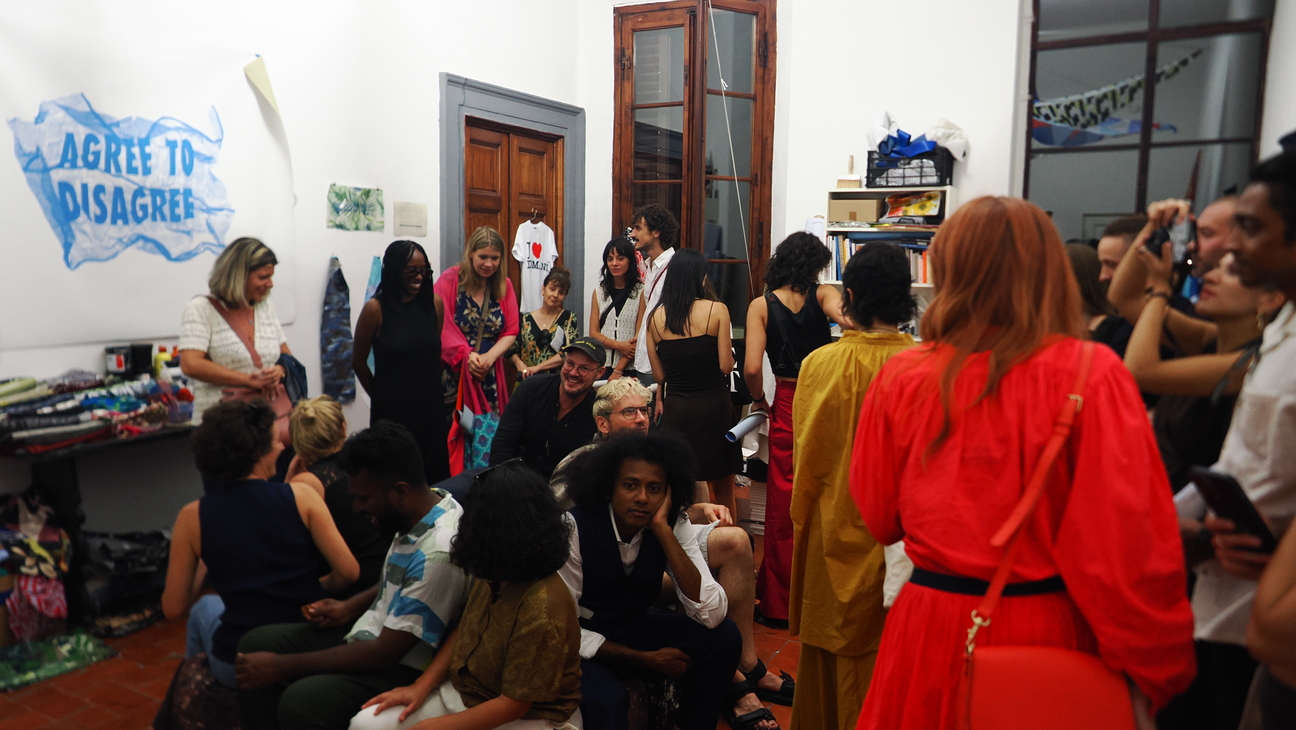
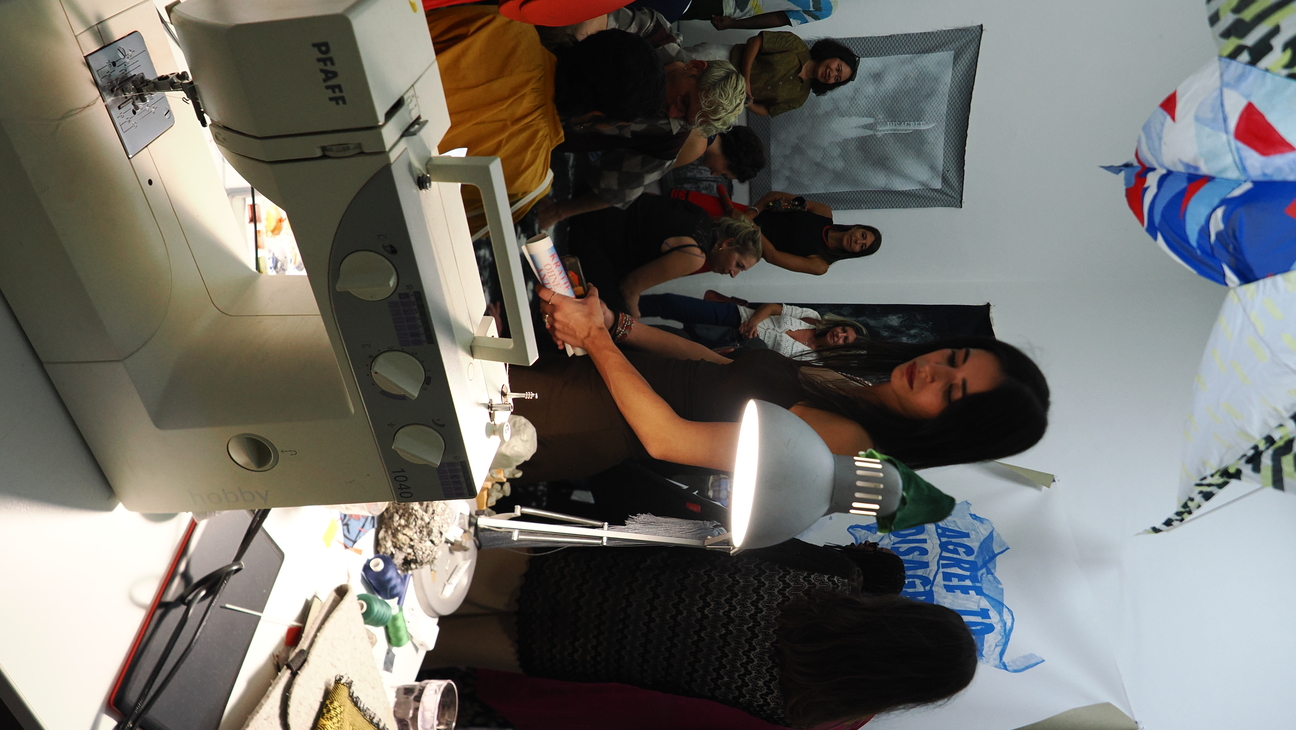
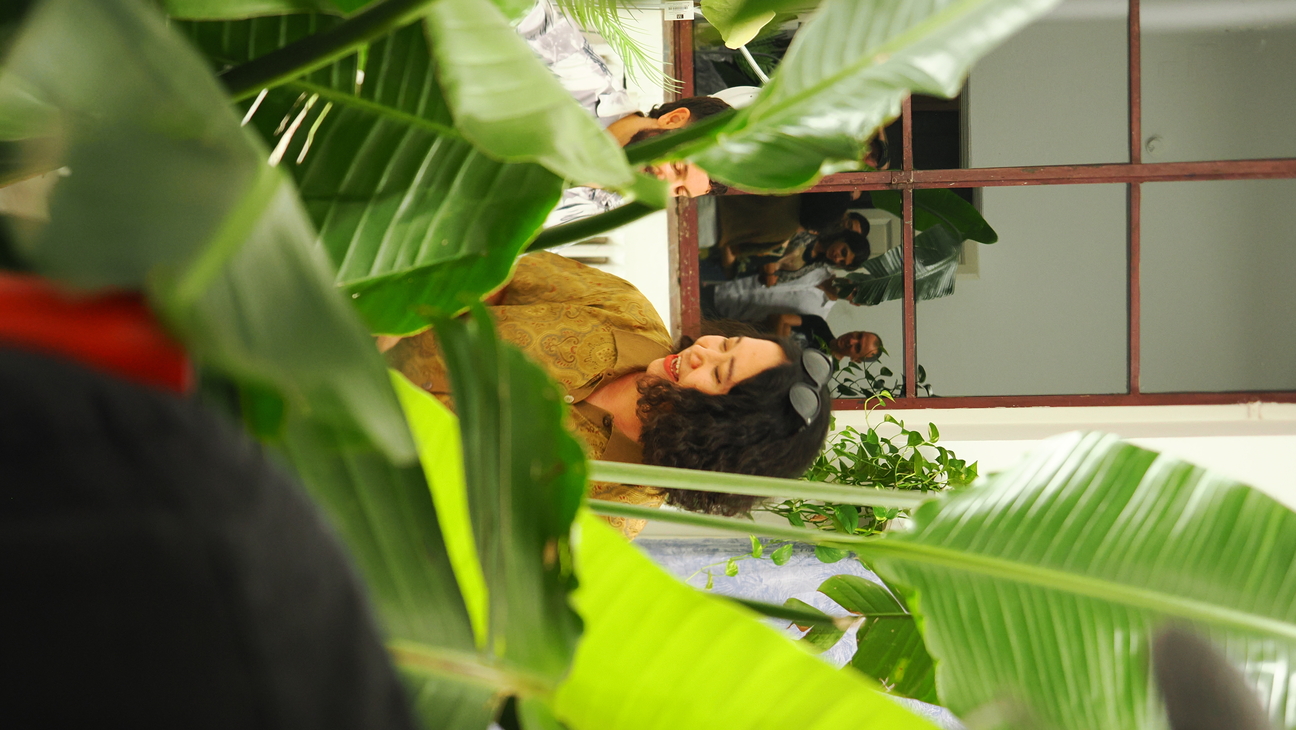
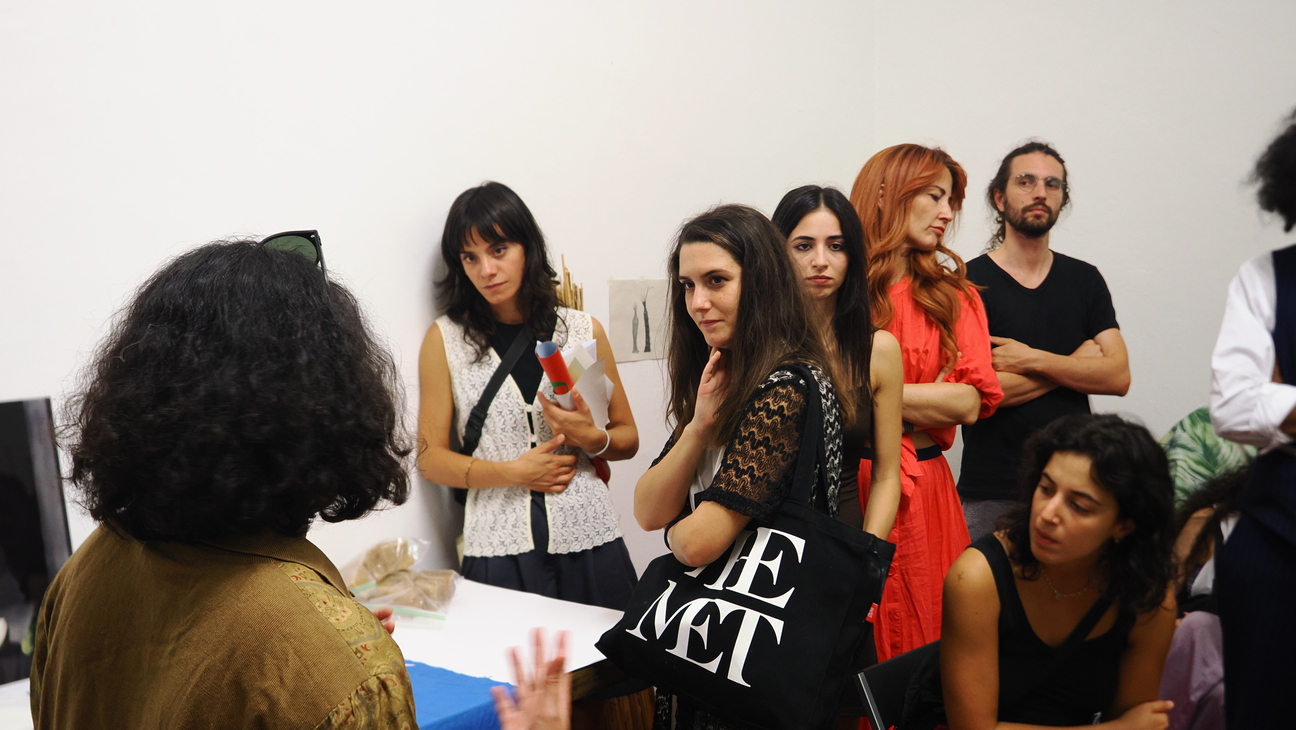
As every year, September marks our most important appointment of the year: the Open Studios. The Villa Romana Fellows Sajan Mani, Elia Nurvista, Chaveli Sifre, and Raul Walch will not only open the doors of the spaces where they have been incessantly working since this winter. The artists will also compose a partiture of voices and works resonating with each other and with the programme of 120 years of Villa Romana. The accompanying exhibition will not simply frame their artistic production but unfold as a multilayered gesture of presence and invocation. It will be structured as a space of holding: of contradictions, silences, refusals, cosmologies, and memories that resist flattening.
To hold space for/with/by artists is to create conditions for listening, for experimentation, for becoming. It means attending to vulnerability, slowness, withdrawal, and emergence. It also means recognising that artistic labour — especially in precarious times — requires not just infrastructure, but intimacy and care —- it calls for kitchens, bedrooms and living rooms. This exhibition holds space in that expanded sense: as a shelter, a threshold, a carrier, and an invitation. This act of listening and presence does not occur in a vacuum. It takes place in a world marked by war and terror, by climate collapse, and systemic exhaustion —, as a form of active positioning.
It elaborates on the figure of the deserter — not as someone who vanishes, but as someone who refuses to comply. Desertion here is neither escapism nor apathy; it is an affirmative gesture of survival, of non-alignment, of stepping away from destructive logics in order to preserve the capacity to imagine otherwise. As contemporary philosophical thought reminds us, desertion becomes a means of protecting sensitivity, sheltering radical care, and inhabiting time differently. This notion resonates deeply with the long and layered history of Villa Romana itself, a house that throughout its history often became a shelter for artists evading censorship, persecution, and war, welcoming those who refused to serve authoritarian ideologies or conform to nationalistic aesthetics — becoming a threshold between art and politics, between commitment and withdrawal.
Dancing in the Blind Spot materialises a visionary, embodied dance that refuses the linear logics of power and inhabits the gap, the wound, the dream. This is not escape, but active desertion: a sensitive modality of resistance that does not seek justification in productivity or usefulness. It is a thinking that whispers and shouts at the same time, that intuits and does not explain, that invokes and does not impose. A mind and a body that opens, rather than closes. Some artworks will be portals: you won’t know if they’re conjuring something, or if something is conjuring them. In this space — between summoning and being summoned — the exhibition becomes a choreography of presence, refusal, and transformation. It offers no closure, only openings. Dancing in the Blind Spot is not a statement of arrival, but of continuity. It is a call — to the visible and the invisible, the remembered and the forgotten, the refused and the imagined.
--
The Villa Romana e.V. maintains the Villa Romana and the Villa Romana Prize.
The main sponsor is the Federal Government Commissioner for Culture and the Media.
Other sponsors are the Deutsche Bank Foundation, the BAO Foundation as well as - project related - numerous private individuals, companies and foundations from all over the world.
The Kunsthistorisches Institut in Florenz - Max-Planck-Institut (KHI) offers a continous institutional collaboration, annually conducting research with one of the Villa Romana Fellows.
The archival focus on the 120 years of Villa Romana is realised in collaboration with Università degli Studi di Urbino Carlo Bo – Dipartimento di Studi Umanistici, prof. Carlotta Castellani
Corale for 120 years of Villa Romana is a project of Villa Romana composed by Radio Papesse and supported by Deutschlandfunk and Ifa Galerie Berlin



The Villa Romana e.V. maintains the Villa Romana and the Villa Romana Prize.
The main sponsor is the Federal Government Commissioner for Culture and the Media.
Other sponsors are the Deutsche Bank Foundation, the BAO Foundation as well as - project related - numerous private individuals, companies and foundations from all over the world.
This project is also supported by:
.png)
.png)
.png)
.png)
