
Philipp Deines, from The Five Lives of Hilma af Klint (2022)
Three Women in Florence
A lecture by Julia Voss
9 April 2026
6:30pm
Via Senese 68, Florence
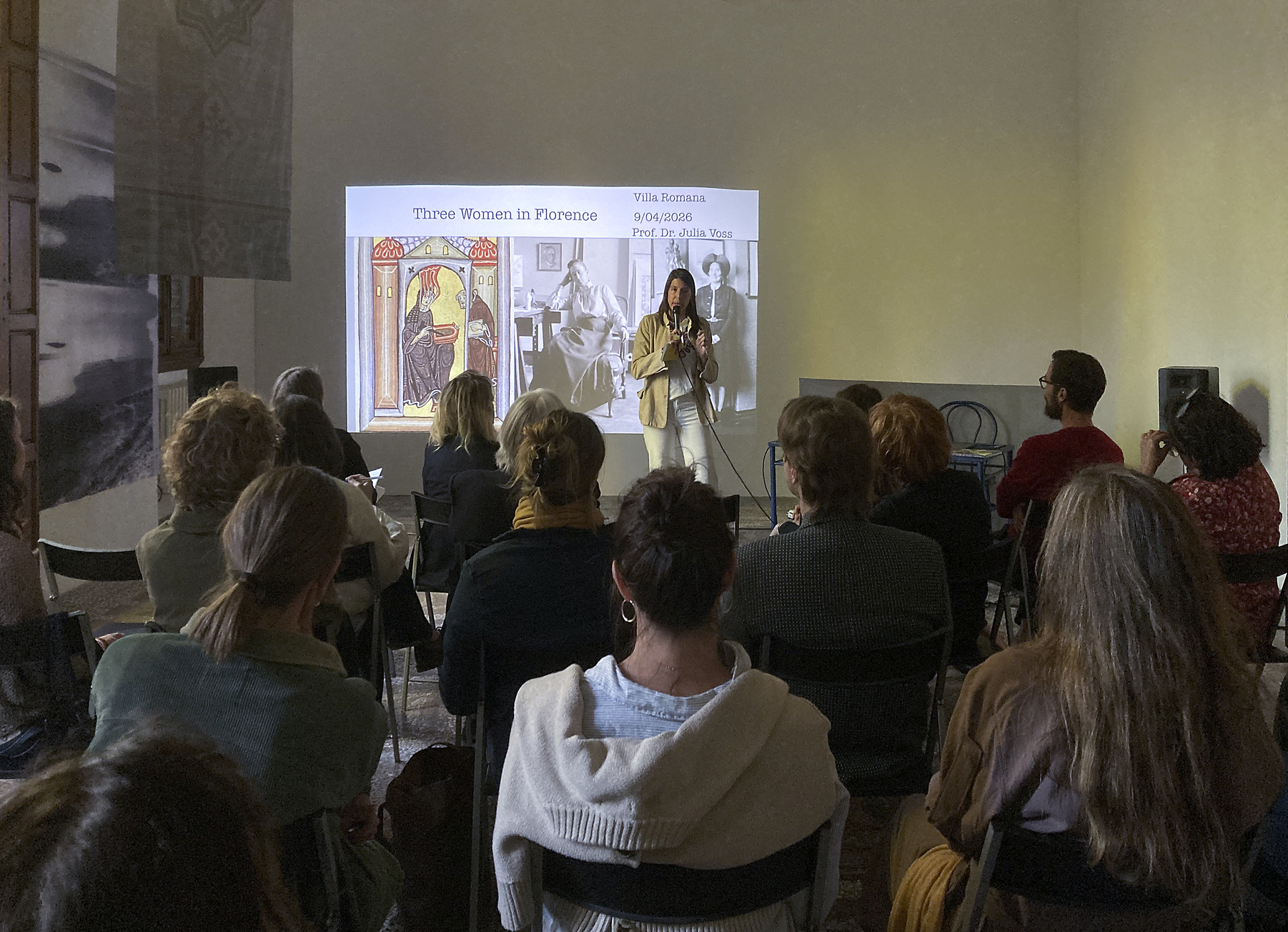
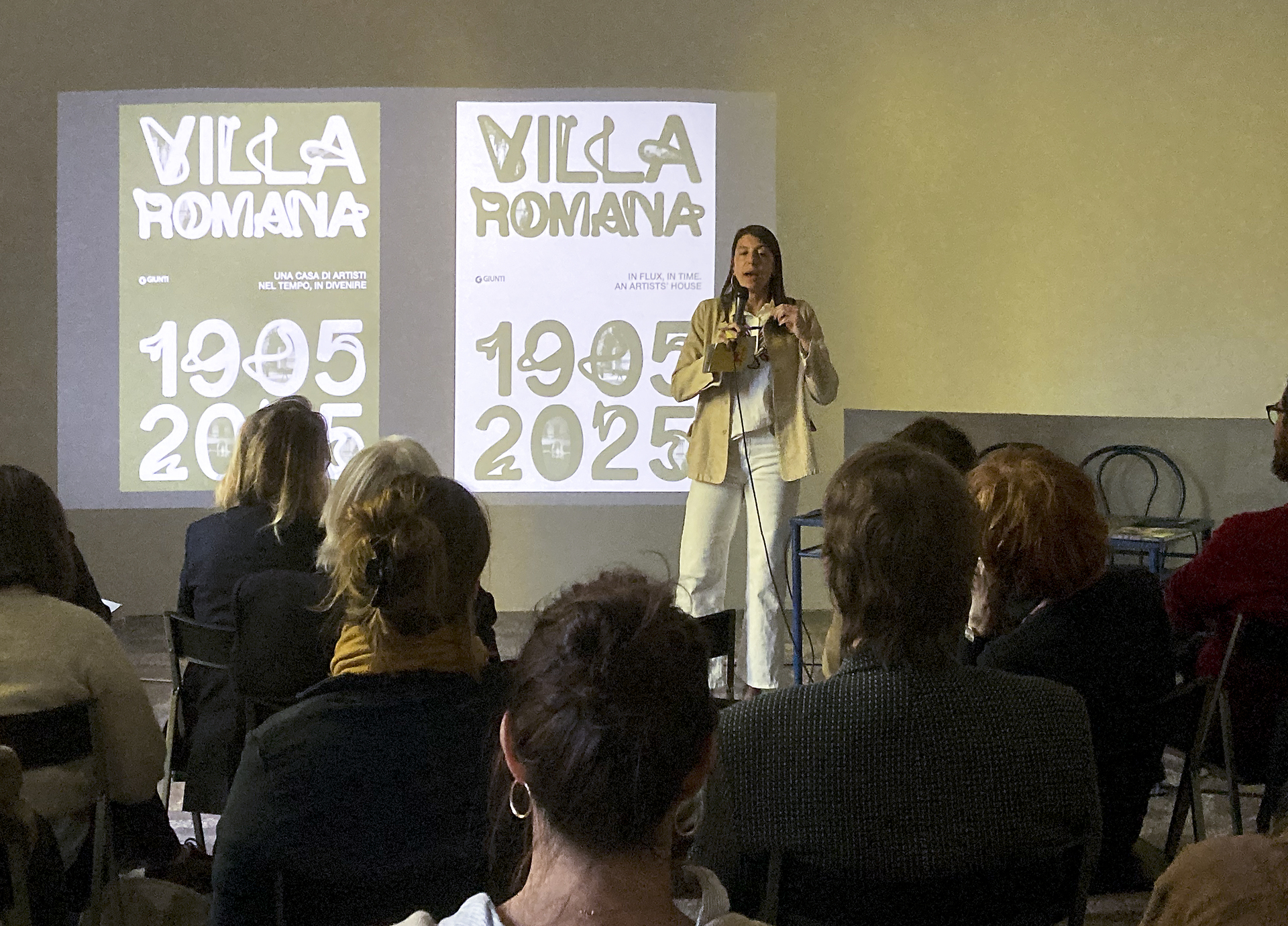
As part of the public programme for In The Meantime. Villa Romana Fellows 2026, we are delighted to welcome Julia Voss to Villa Romana for a lecture, following the inspiring dialogue we have developed with her over the past months in the context of the publication Villa Romana 1905–2025. An Artists’ House in Flux, in Time. Her contribution to the volume, together with her research on Emy Roeder and the artistic milieu surrounding Hans Purrmann, has opened important perspectives on Florence as a place of artistic formation marked by displacement, experimentation, and forms of resilience. Voss’s work helps illuminate how artistic lives intersect with political upheavals, offering a lens through which Villa Romana can be understood as a living site of artistic positioning across time.
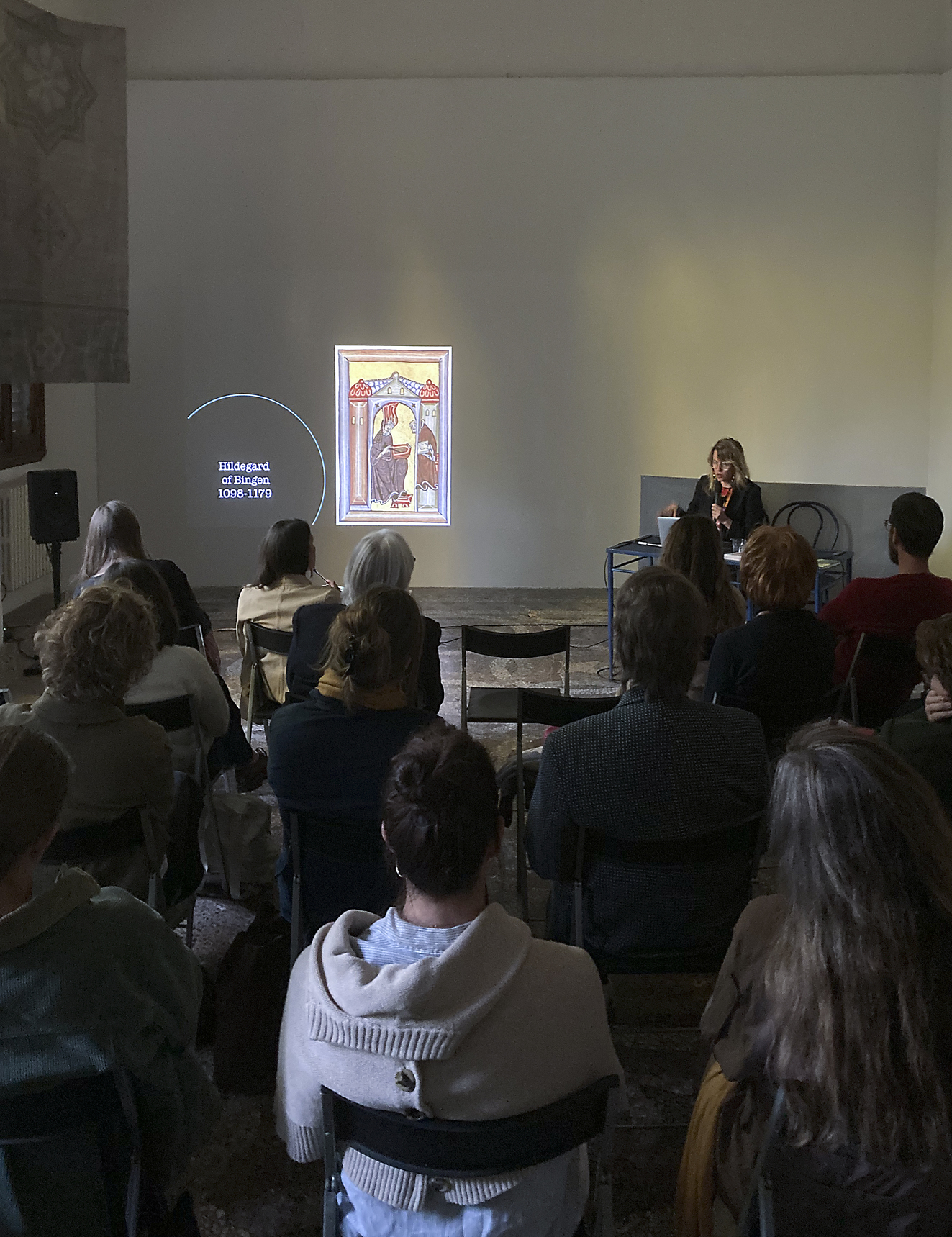
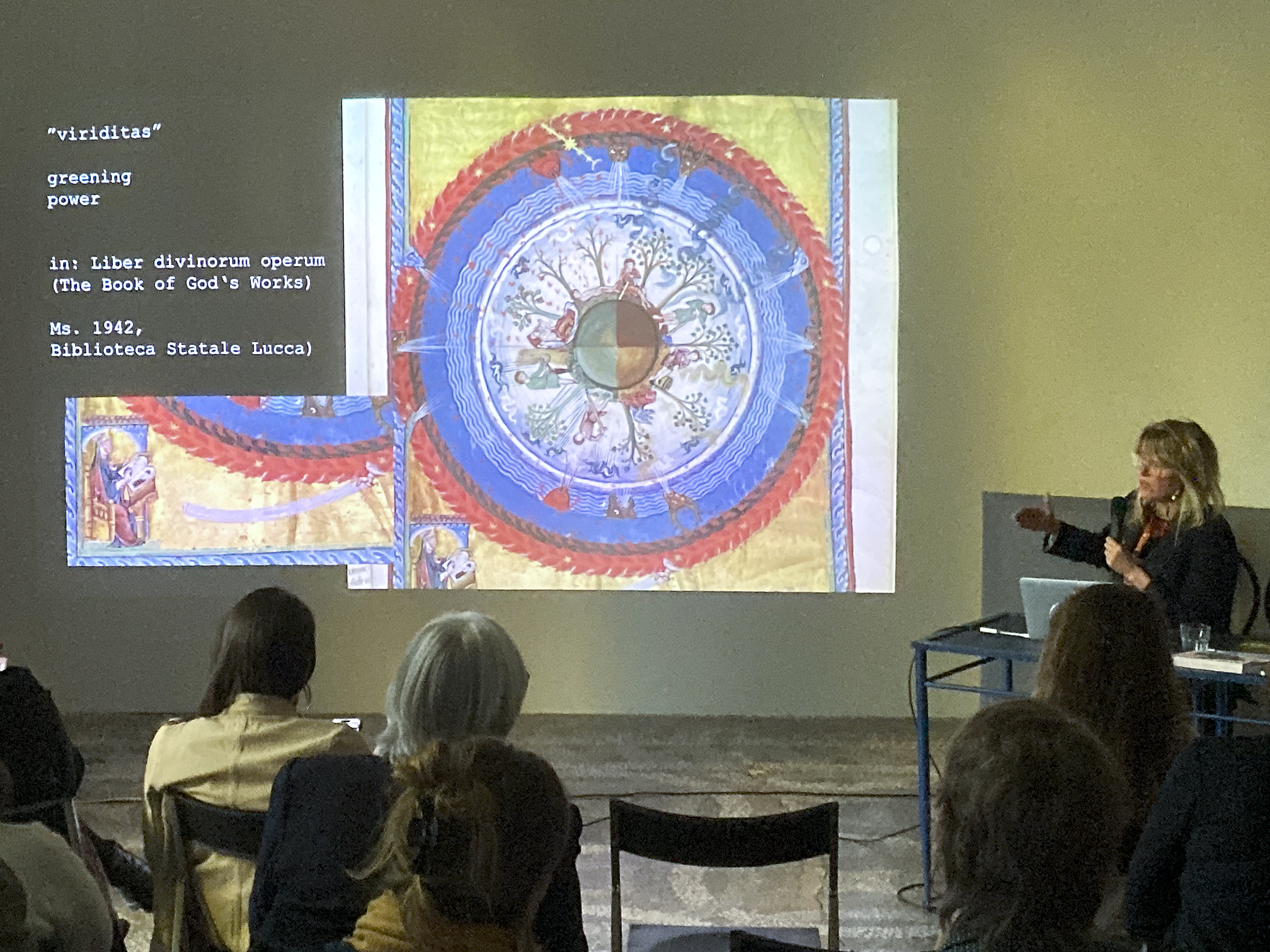
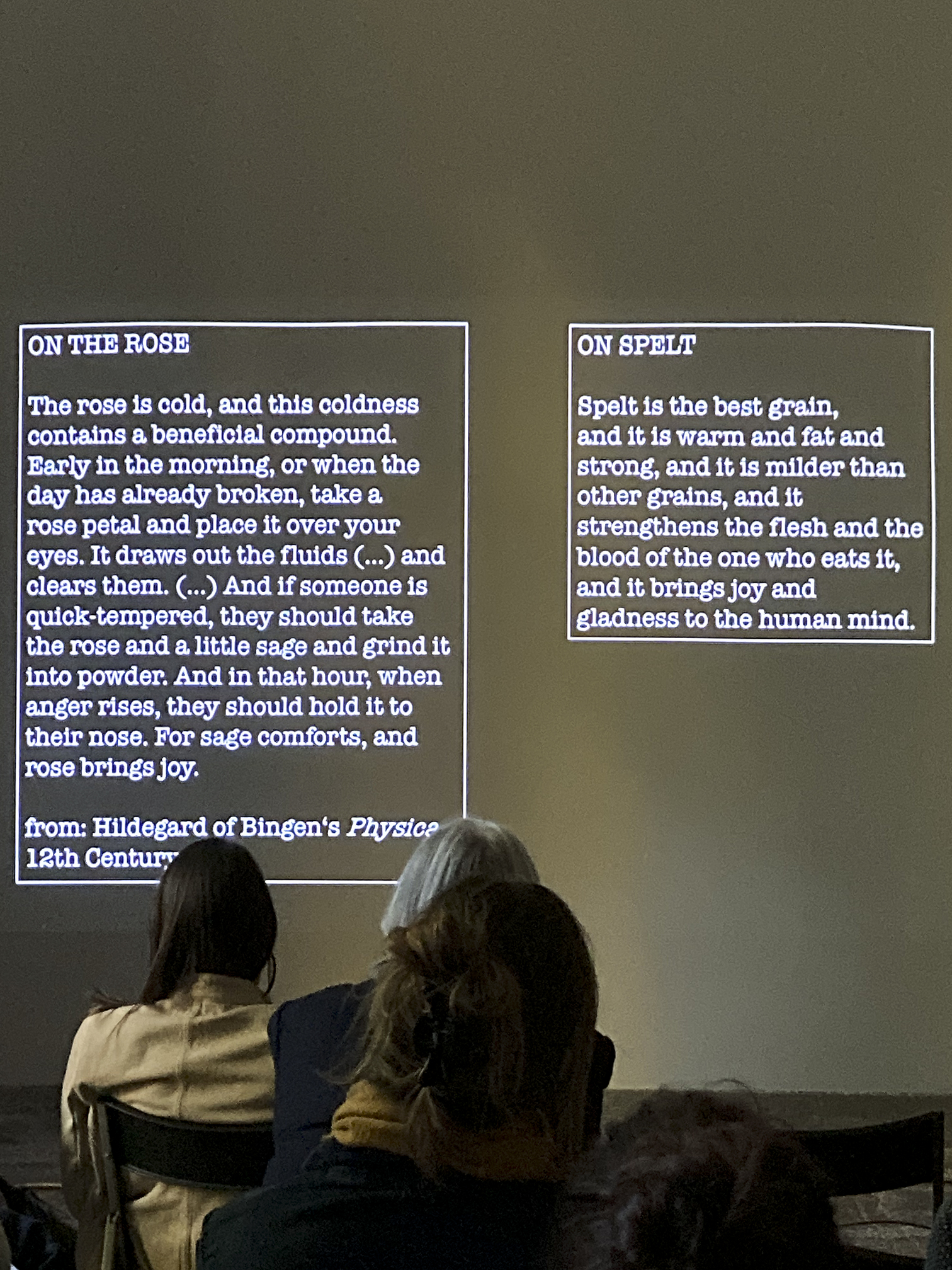
The lecture Three Women in Florence brings together three figures central to Voss’s recent research: Hildegard von Bingen, Hilma af Klint, and Emy Roeder. Each of them is connected to Florence in different ways and opens a distinct field of reflection on artistic practice as a form of knowledge production. Hildegard von Bingen’s visionary writings and proto-scientific investigations resonate with Florencethrough a historical copy of her Physica preserved in the Biblioteca Medicea Laurenziana, pointing to a long genealogy of artistic and intellectual experimentation that moves across disciplinary boundaries. This perspective also connects to the ongoing work at Villa Romana since 2023 on medicinal plants and forms of ecological attention developed together with the artists of the house, exploring cultivation and care as artistic practices and as ways of sensing and shaping possible worlds.
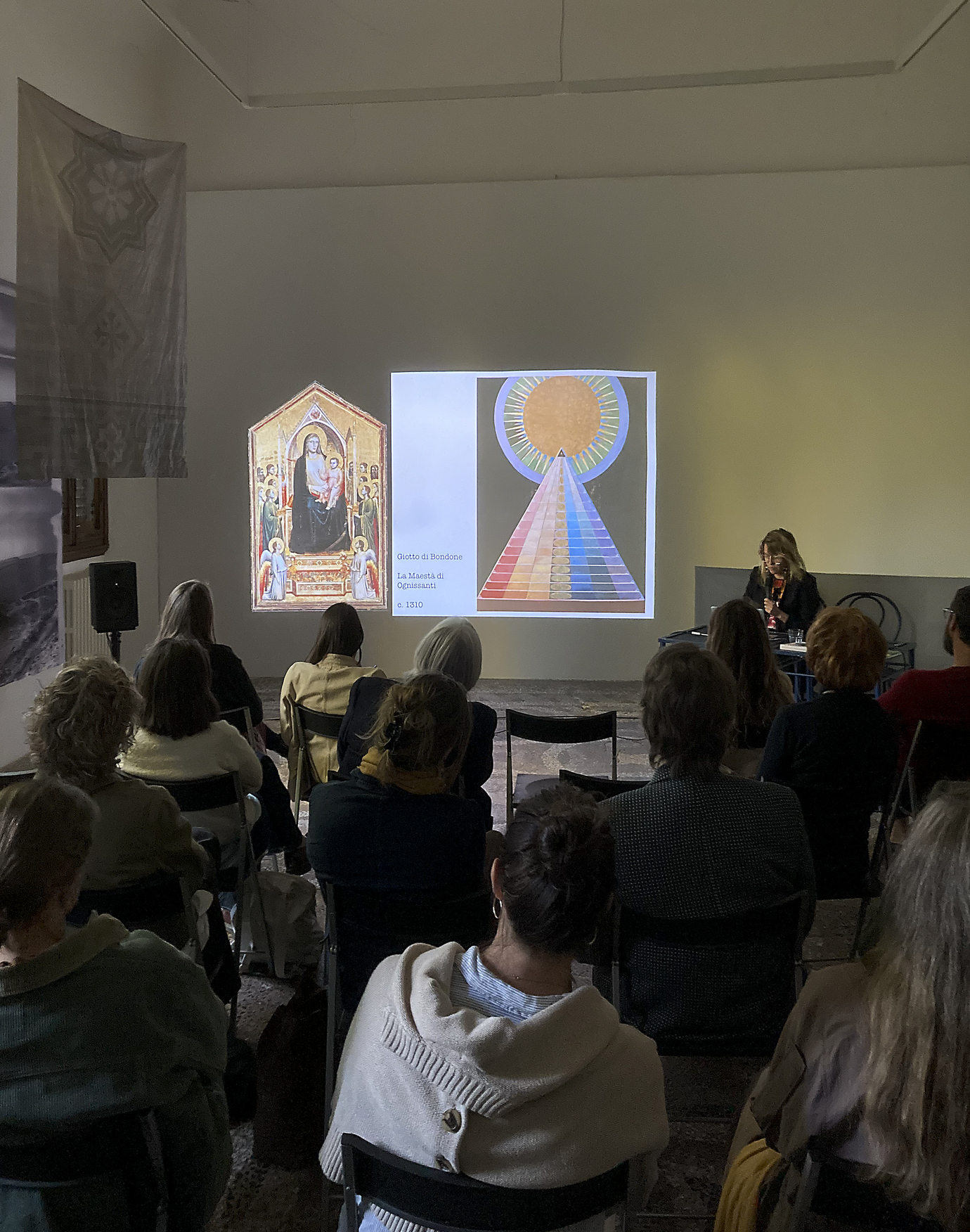
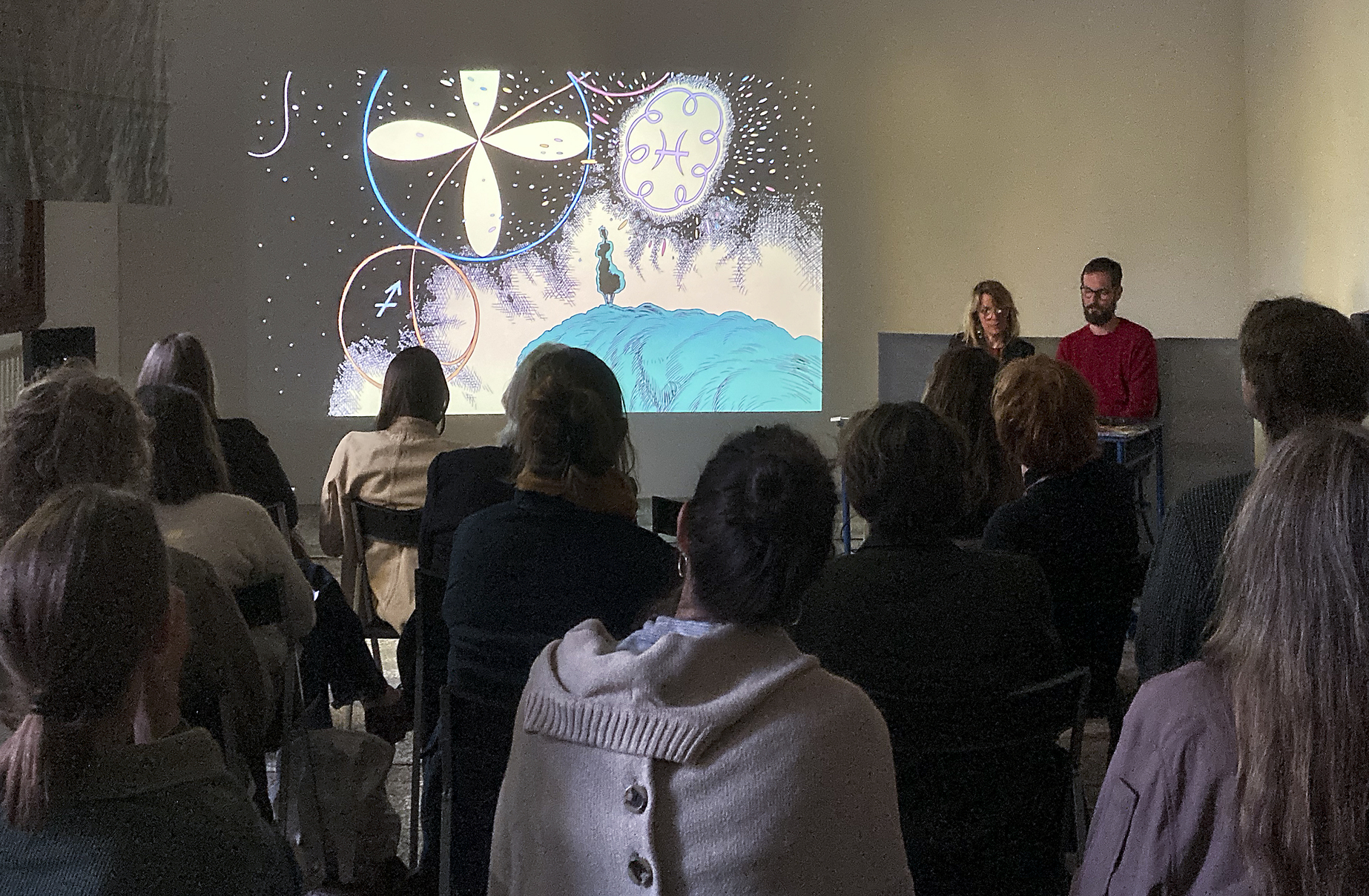
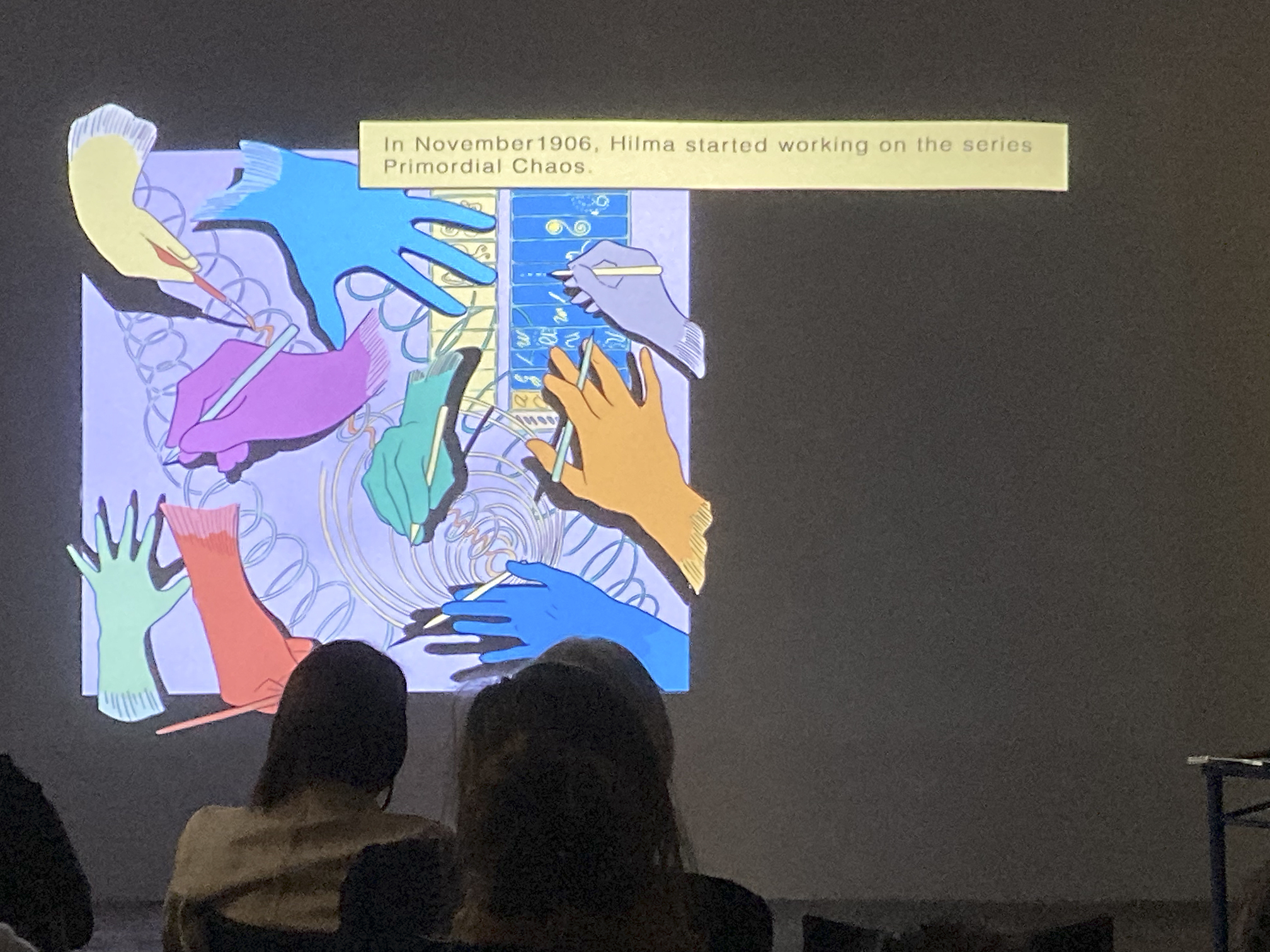
Hilma af Klint’s engagement with spiritual cosmologies and diagrammatic thinking invites us to consider abstraction not only as a formal innovation but also as a method of inquiry into invisible structures of the world. She visited Florence in 1903, just one year before embarking on her seminal cycle Paintings for the Temple, a moment that invites reflection on the possible resonances between artistic transformation, travel, and encounters with historical environments.
Emy Roeder’s experience in Florence, shaped by conditions of mobility and historical rupture, situates artistic practice within broader questions of persistence, transformation, and situated forms of resistance.
Rather than approaching these figures through theory detached from artistic practice, Voss foregrounds research itself as a form of artistic inquiry. Hildegard’s cosmological imagination, af Klint’s visual diagrams, and Roeder’s sculptural investigations suggest ways in which artistic practice can function as a mode of world-making grounded in intuition, experimentation, and embodied knowledge. Inthis sense, the lecture resonates with the atmosphere of the artists’ house, where thinking and making remain closely intertwined.
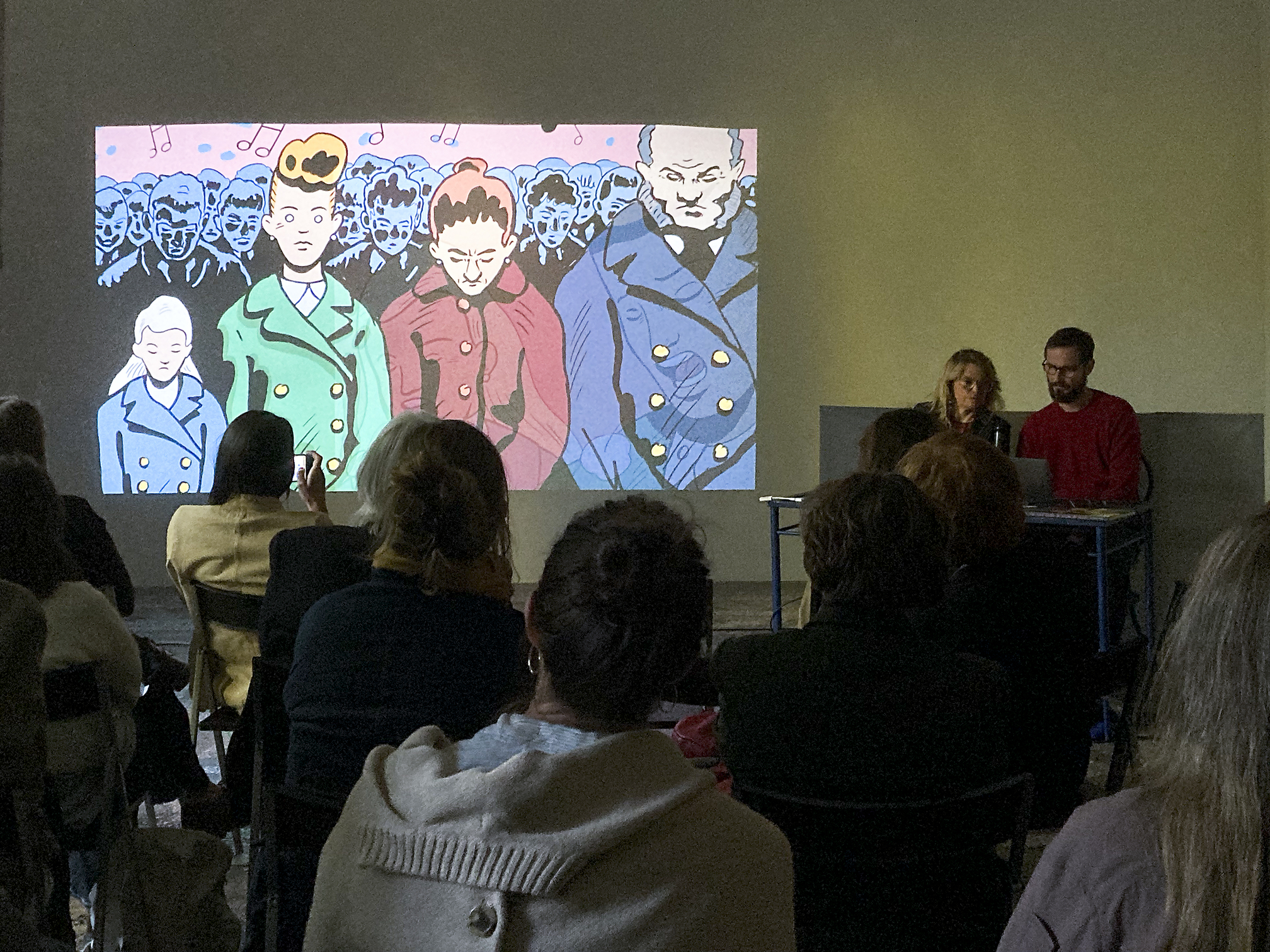
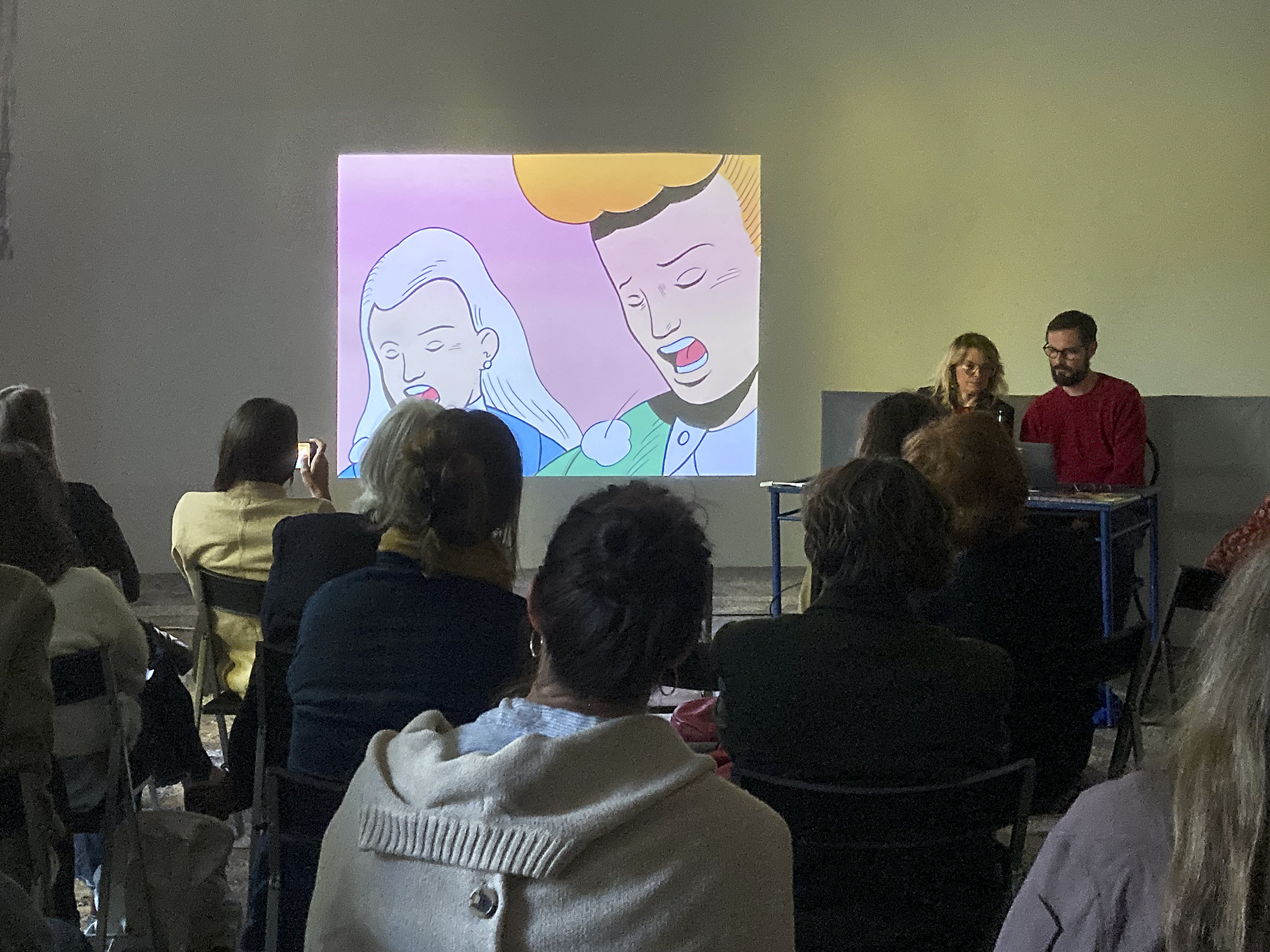
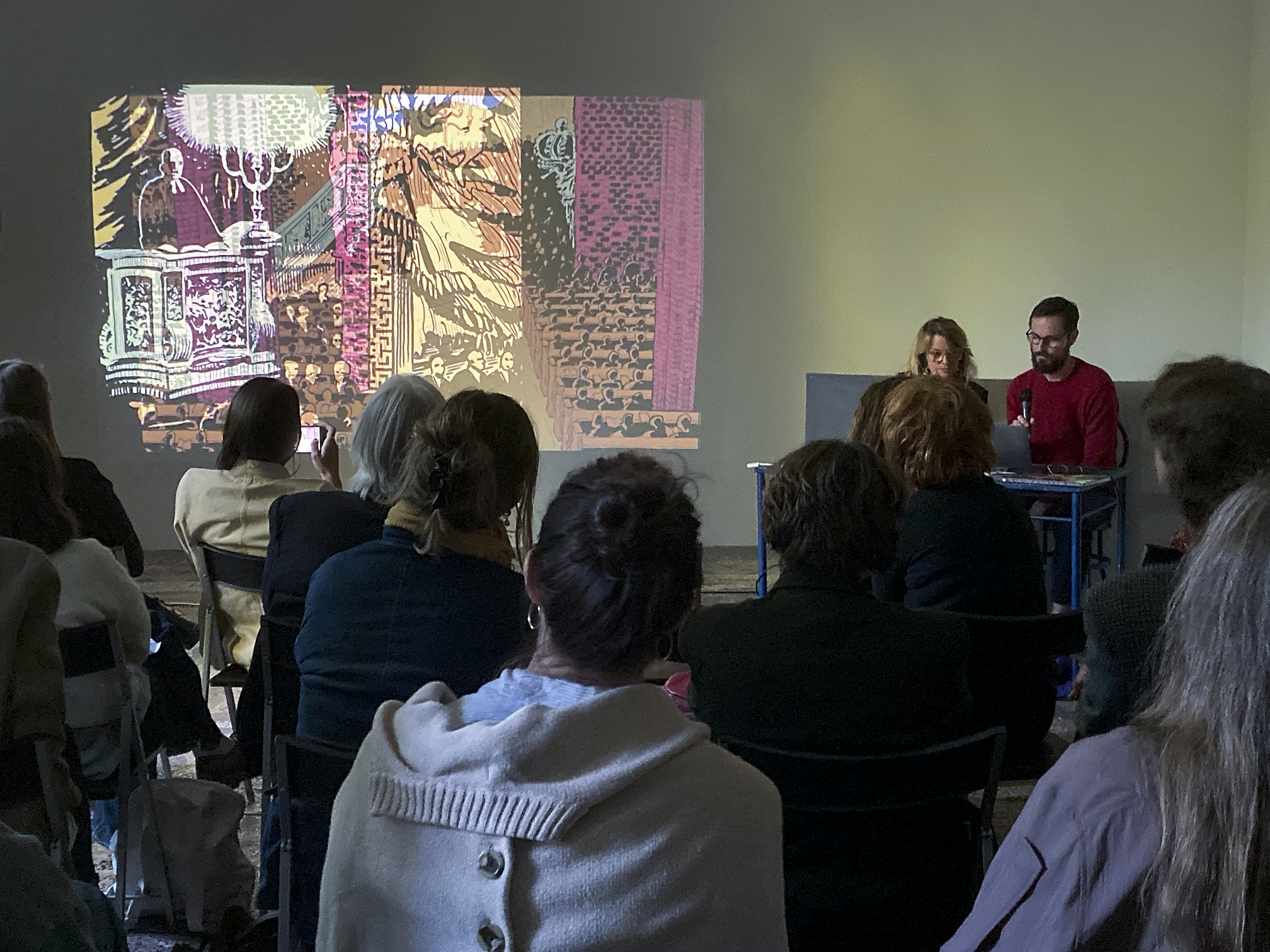
In keeping with this spirit, the lecture will conclude with a performative moment: a joint reading with Philipp Deines from his graphic novel The Five Lives of Hilma af Klint (David Zwirner Books). The transformation of the lecture into a reading performance reflects Villa Romana’s interest in formats in which scholarship and artistic practice remain in dialogue, and in which historical figures continue to act as companions for contemporary artistic inquiry.
Bringing together different temporalities and forms of knowledge, Three Women inFlorence invites reflection on how artistic research can move between archive, intuition, and practice — and how figures from distant historical moments can continue to inspire new forms of attention, imagination, and making today.
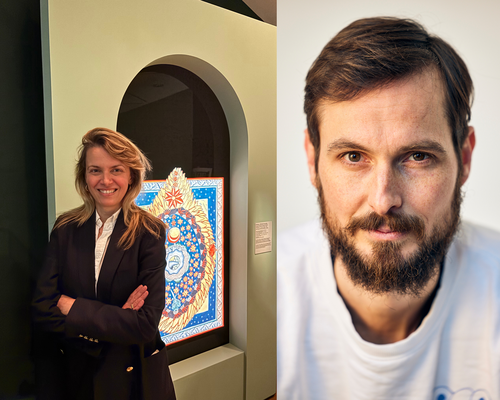
Julia Voss is an art historian, art critic and curator. Since 2021 she is research associate in the president’s office at the German Historical Museum (DHM) in Berlin, since 2015 she is honorary professor of art history at Leuphana University inLüneburg. From 2007 to 2017 she was head of the arts department at Franxakfurter Allgemeine Zeitung. Her books include “Darwin’s Pictures. Views of Evolutionary Theory” (2010), “Hilma af Klint. A Biography” (2022) and “Hilma af Klint and Wassily Kandinsky” (with Daniel Birnbaum, 2026). For her writings she was awarded the Sigmund Freud Prize for Academic Prose. Lately, she curated the exhibition “Nature and German History. Faith – Biology – Power” at DHM, as well as “Hilma af Klint and Wassily Kandinsky: Dreams of the Future” (with Daniel Birnbaum) at Kunstsammlung Nordrhein-Westfalen in Düsseldorf. Philipp Deines is an artist, illustrator, and graphic designer. In 2015, he published Behind the White Cube (Merve Verlag) with Julia Voss. In 2020, he received the Berlin Comic Scholarship and his work was exhibited in the Museum for Communication Berlin. In 2021, his work was exhibited at Grisebach in Berlin in the exhibition Stu-stu-stu-studioline. The Five Lives of Hilma af Klint (2022) is his first graphic novel. He lives and works in Berlin.
Philipp Deines is an artist, illustrator, and graphic designer. In 2015, he published Behind the White Cube (Merve Verlag) with Julia Voss. In 2020, he received the Berlin Comic Scholarship and his work was exhibited in the Museum for Communication Berlin. In 2021, his work was exhibited at Grisebach in Berlin in the exhibition Stu-stu-stu-studioline. The Five Lives of Hilma af Klint (2022) is his first graphic novel. He lives and works in Berlin.






The Villa Romana e.V. maintains the Villa Romana and the Villa Romana Prize.
The main sponsor is the Federal Government Commissioner for Culture and the Media.
Other sponsors are the Deutsche Bank Foundation, the BAO Foundation as well as - project related - numerous private individuals, companies and foundations from all over the world.
This project is also supported by:
