)%20(Instagram%20Post%20(45))-2.png)
IN DER ZWISCHENZEIT
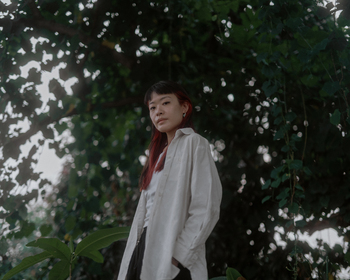
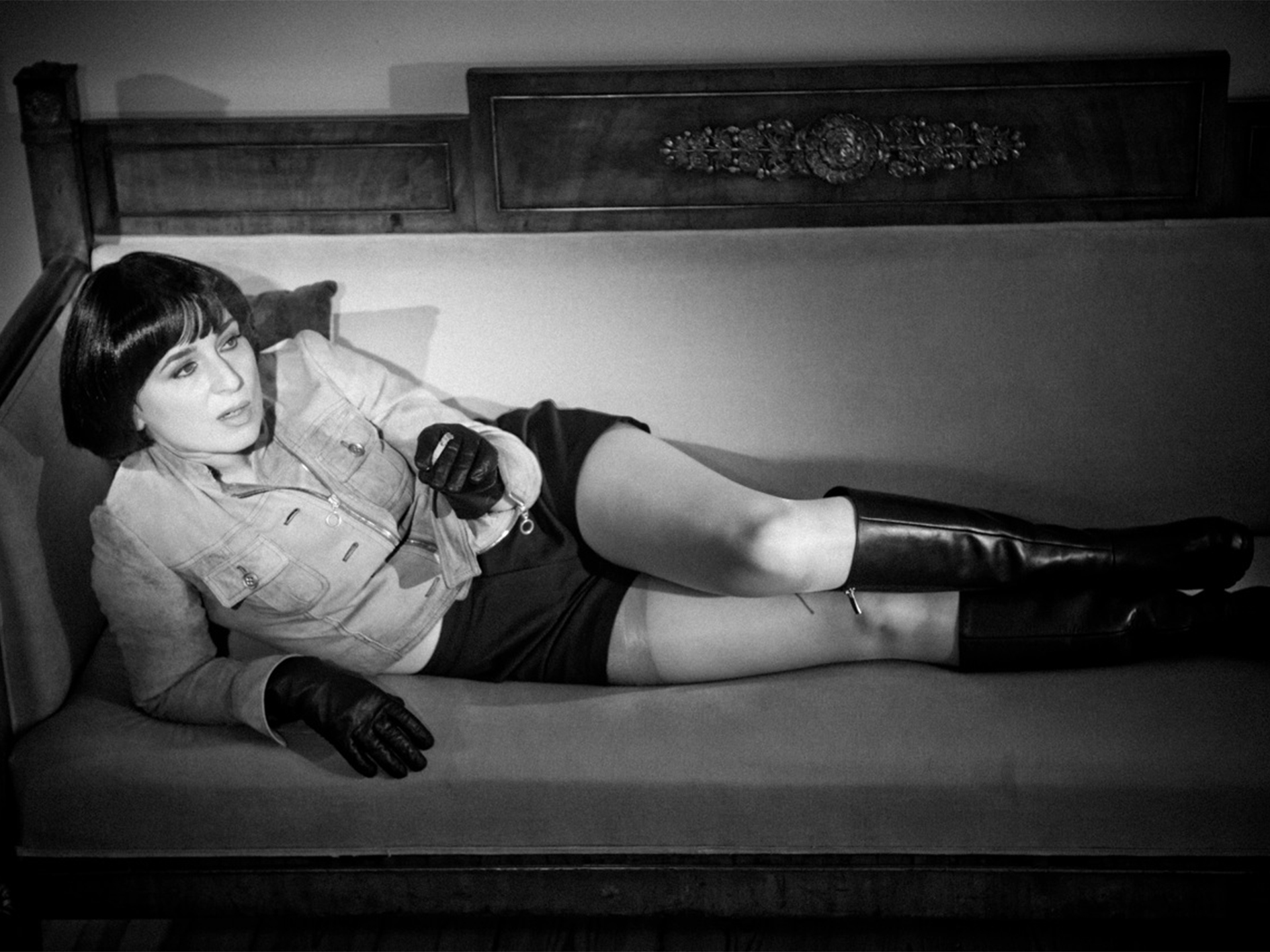
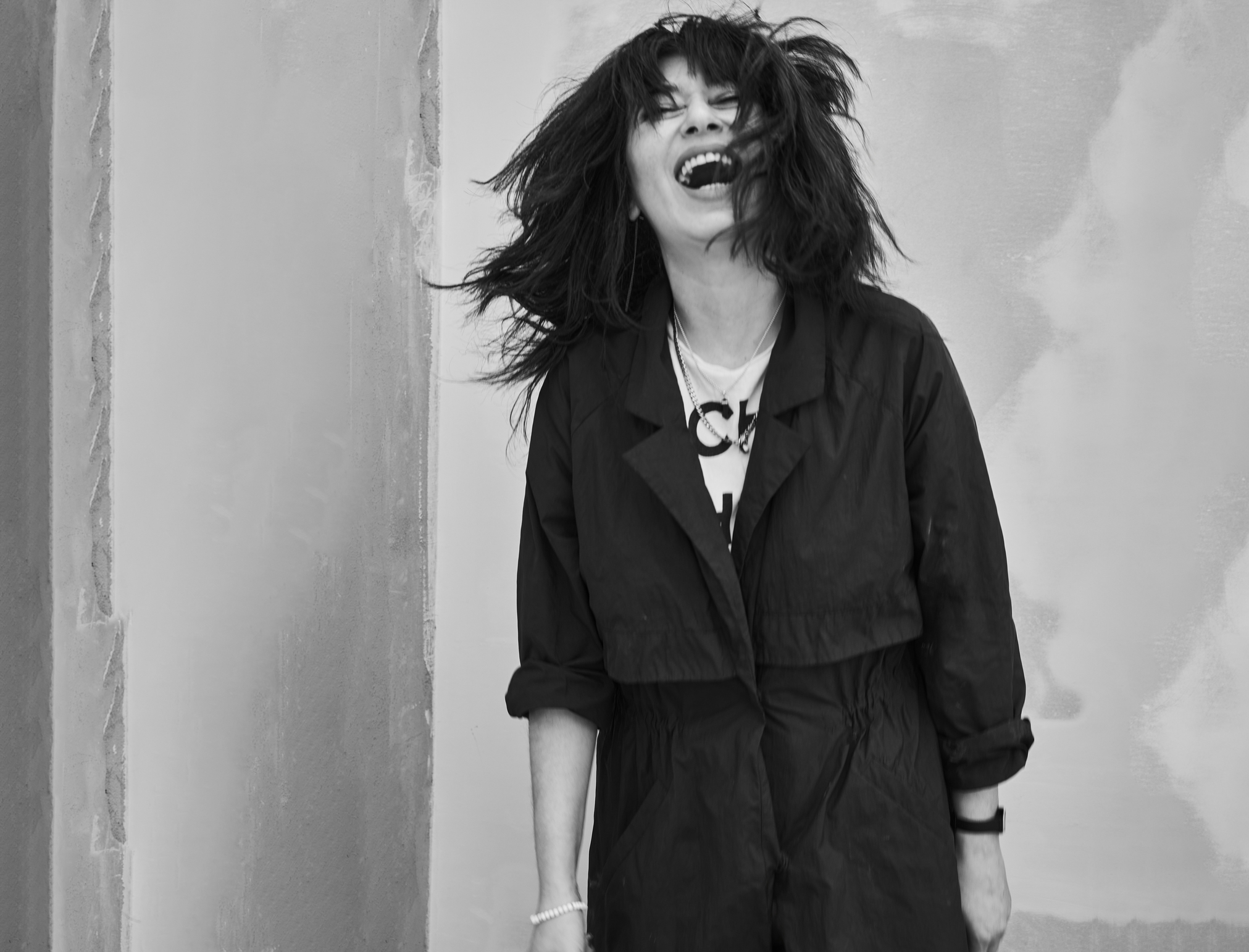
Villa Romana Preisträger*innen 2026
12. MÄRZ - 29. MAI 2026
„In der Zwischenzeit“ bezeichnet ein Intervall: eine Zeit zwischen Ereignissen, zwischen Krise und Möglichkeit, zwischen Geste und Handlung. Die Wendung trägt zugleich eine weitere Resonanz in sich: jene der schwierigen Zeiten, in denen wir leben, Jahre, die geprägt sind von Krieg, Instabilität und politischen Bruchlinien. Diese Ausstellung entfaltet sich innerhalb dieses schwebenden Moments und begreift ihn nicht als Lähmung, sondern als Raum der Aufmerksamkeit und der Begegnung.
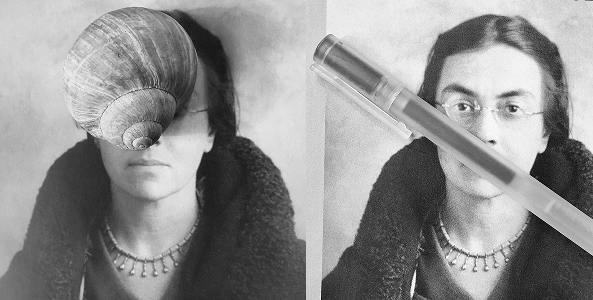
Die Ausstellung versammelt die diesjährigen Preisträger*innen zu Beginn ihres Aufenthalts und präsentiert eine Auswahl von Arbeiten, die ihre künstlerischen Praktiken einander und dem Publikum vorstellen. Neben neueren Werken werden auch frühere Arbeiten gezeigt, die laufende Recherchen, Methoden und Fragestellungen sichtbar machen. Statt einen Ausblick auf das zu geben, was während ihres Aufenthalts in Florenz entstehen wird, bietet In der Zwischenzeiteinen Orientierungspunkt: ein erstes Zusammenkommen von Positionen, Materialien und Ideen, die jede Praxis im Moment des Ankommens verorten.
Zusammengenommen bilden diese Arbeiten eine vorläufige Konstellation: unterschiedliche künstlerische Sprachen, Wege und Anliegen, die im gemeinsamen Raum des Hauses aufeinandertreffen. Die Ausstellung markiert den Beginn einer Zeit des Zusammenlebens und -arbeitens, in der Gespräche, Experimente und mögliche Kollaborationen nach und nach Gestalt annehmen.
In der Zwischenzeit eröffnet zugleich die Saison 2026 der Villa Romana und lädt dazu ein, das Programm FORMANCES — Rehearsals of the Everyday aufzugreifen, das sich in den kommenden Monaten entfalten wird. Als Labor für Formen und Gesten konzipiert, begreift das Programm den Alltag nicht als neutralen Hintergrund, sondern als Spielraum wiederholter Handlungen, Rollen und Beziehungen, durch die gesellschaftliches Leben fortwährend hervorgebracht und neu gedacht wird. In diesem Sinne gehen die hier versammelten Werke dem Kommenden nicht einfach voraus. Vielmehr bewohnen sie eine Schwelle, auf der sich Praktiken begegnen und beginnen, jene Formen zu erproben, die sich im Laufe der Residenz entwickeln werden. Zwischen Ankunft und dem, was noch kommen wird, lädt die Ausstellung dazu ein, diesem gemeinsamen Intervall Aufmerksamkeit zu schenken, einer offenen Zeit, in der künstlerische Praktiken miteinander in Resonanz treten und in der die ersten Bedingungen zukünftiger Arbeiten langsam im Haus, in der Stadt und in den kommenden Monaten entstehen.


.png)
.jpg)


